


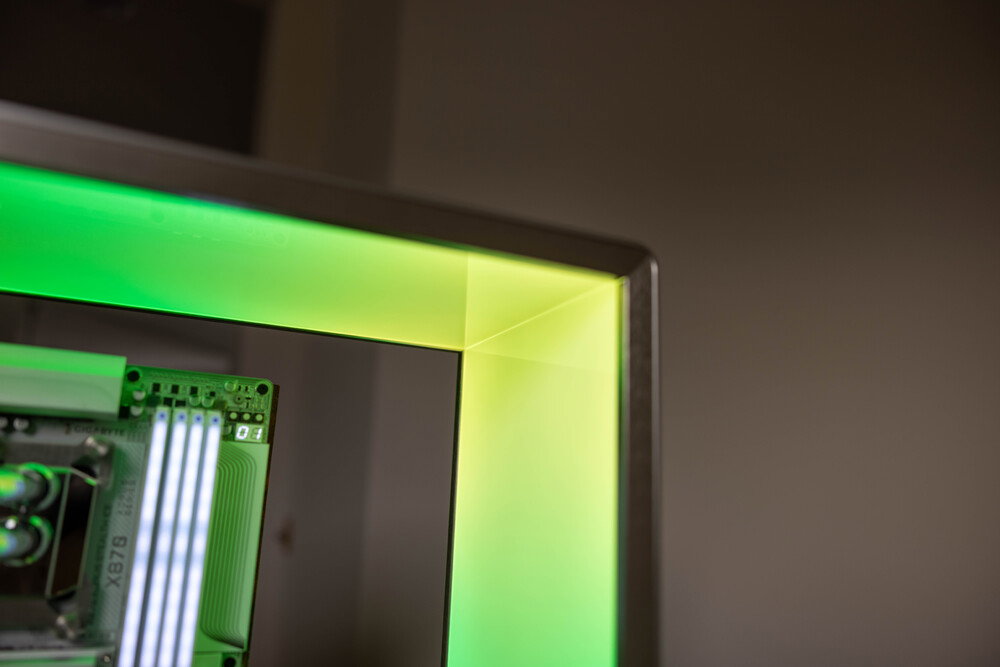
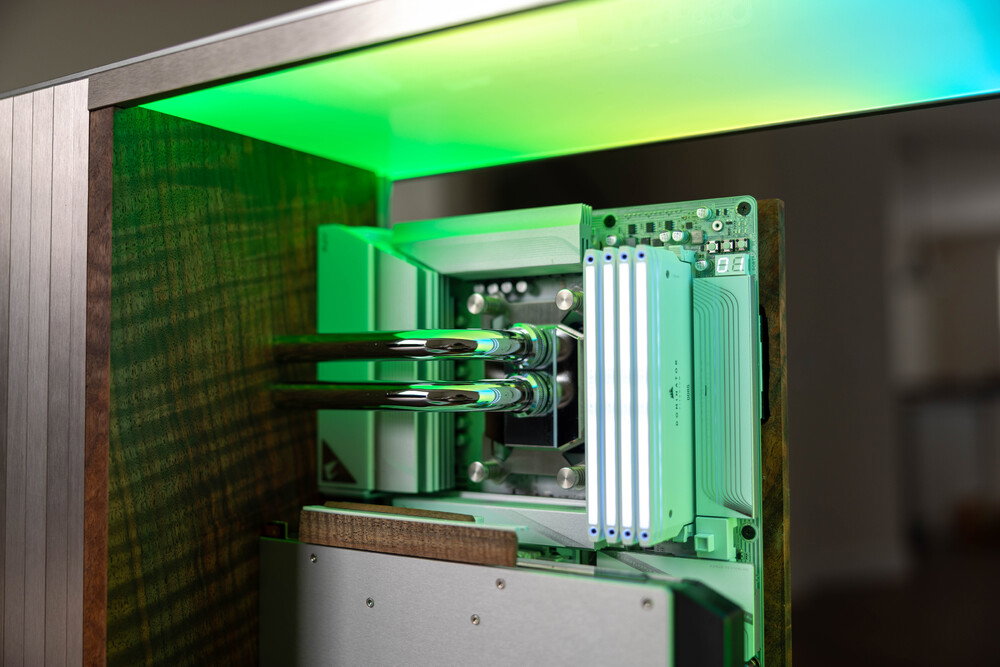
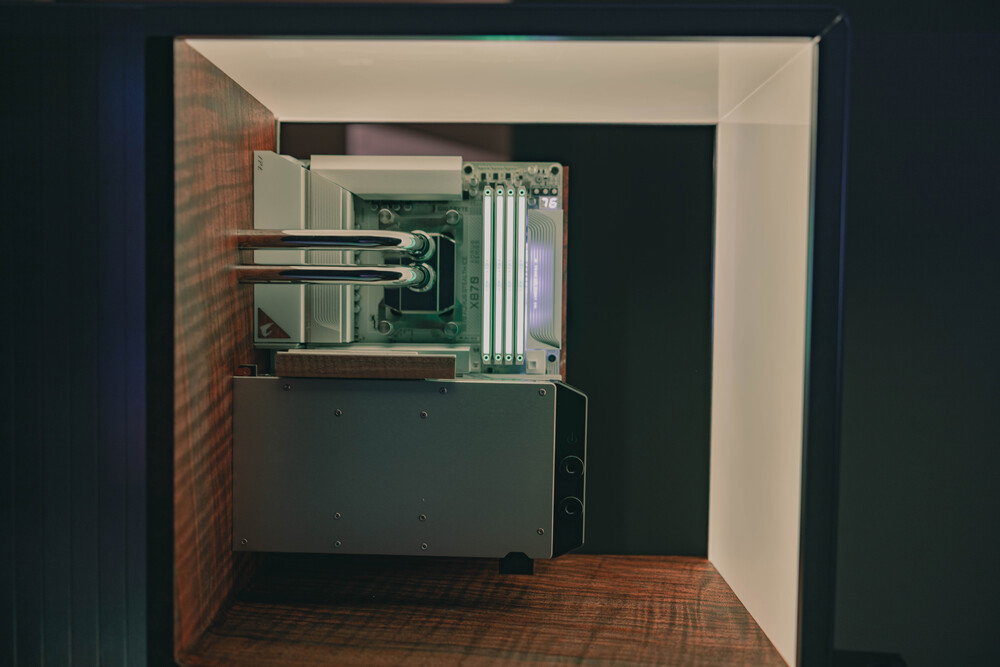
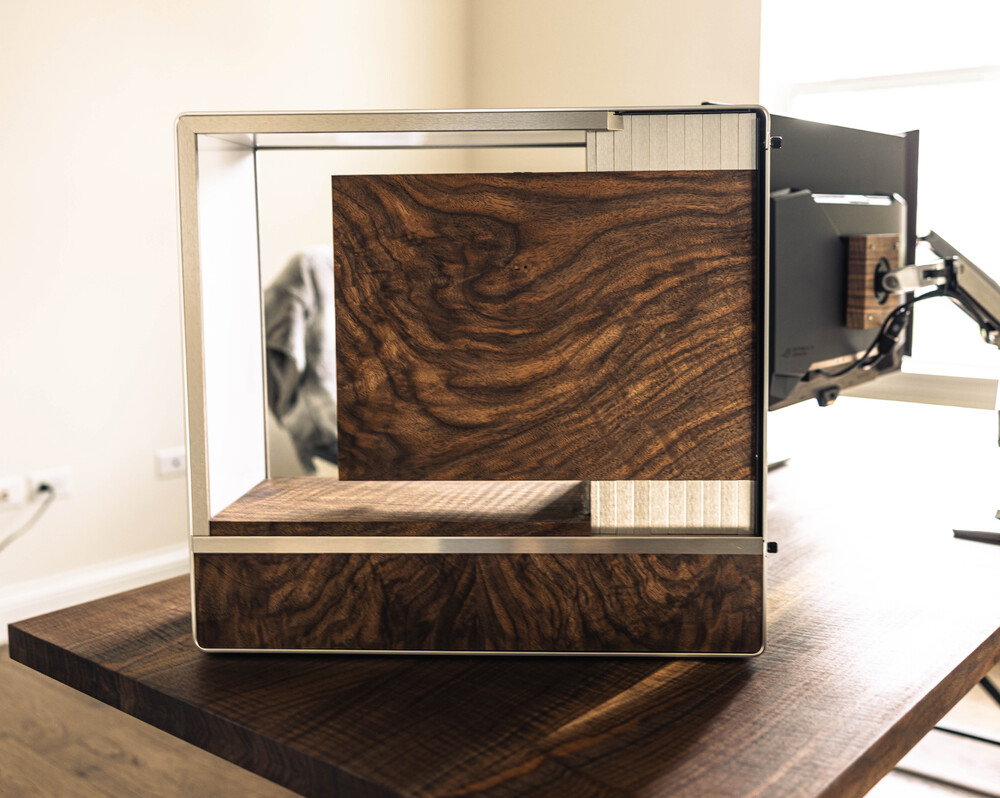

Heartwood
AD:
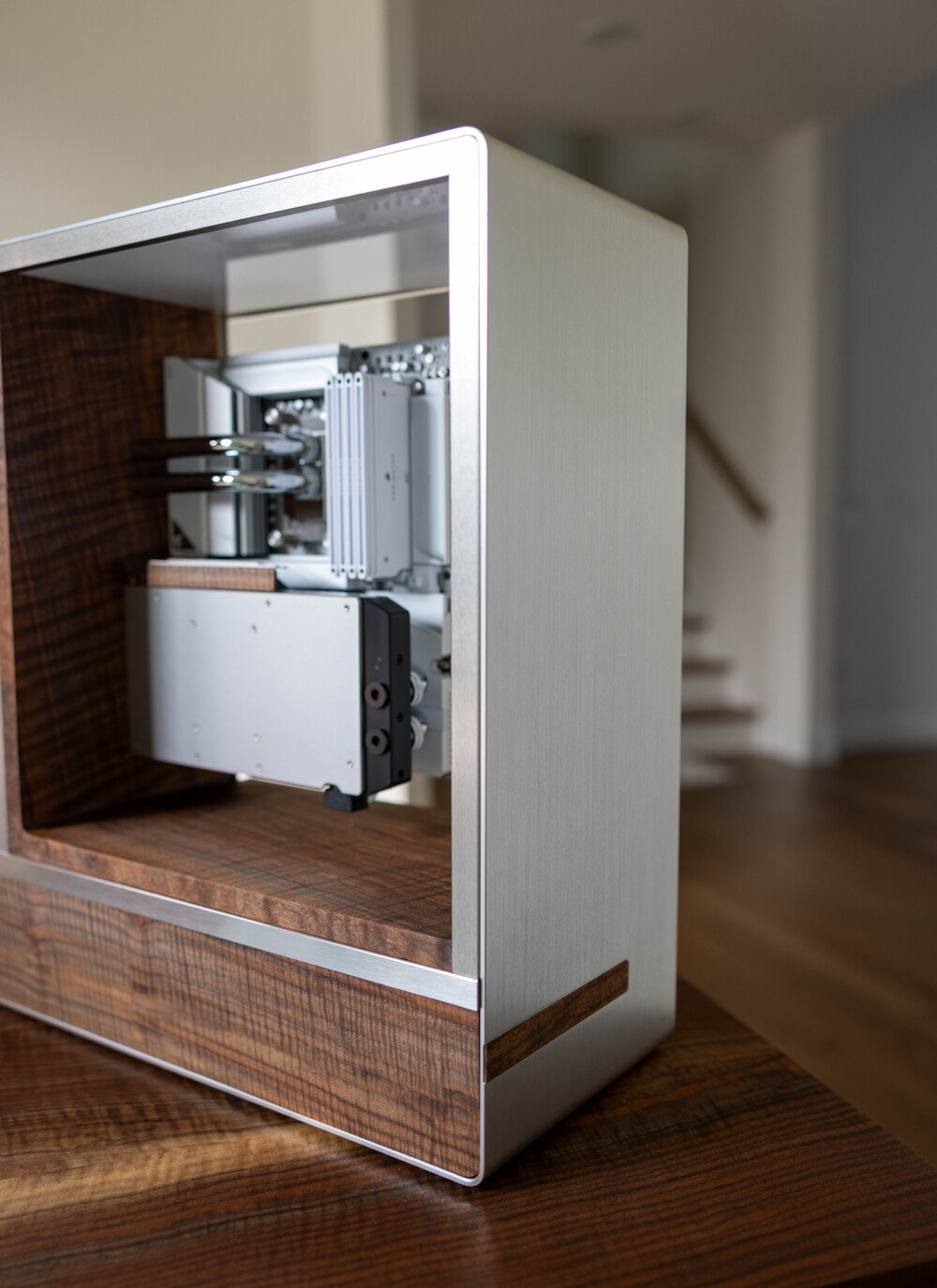
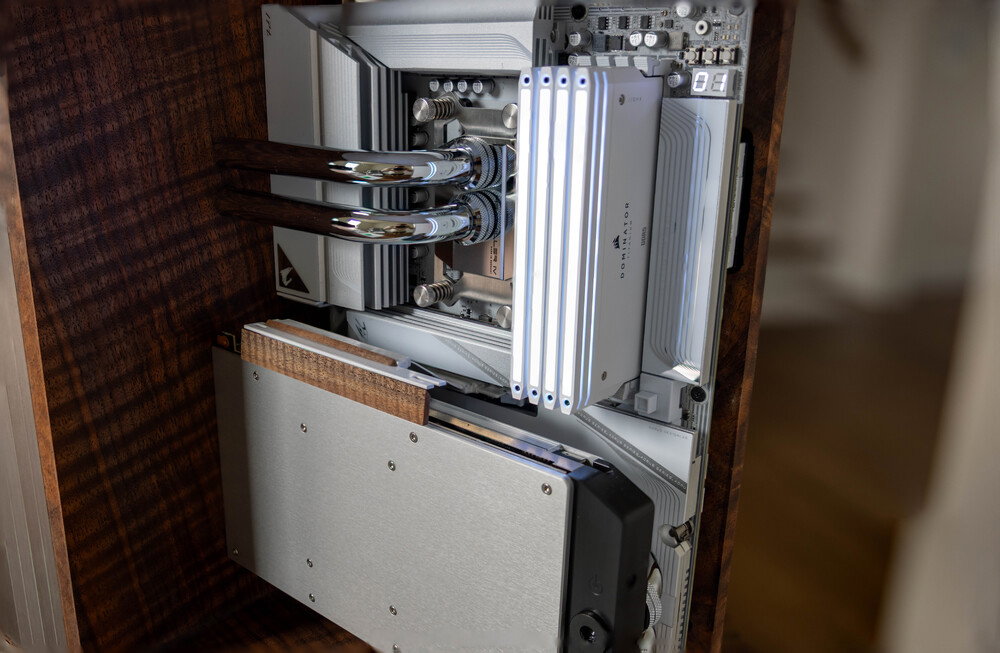
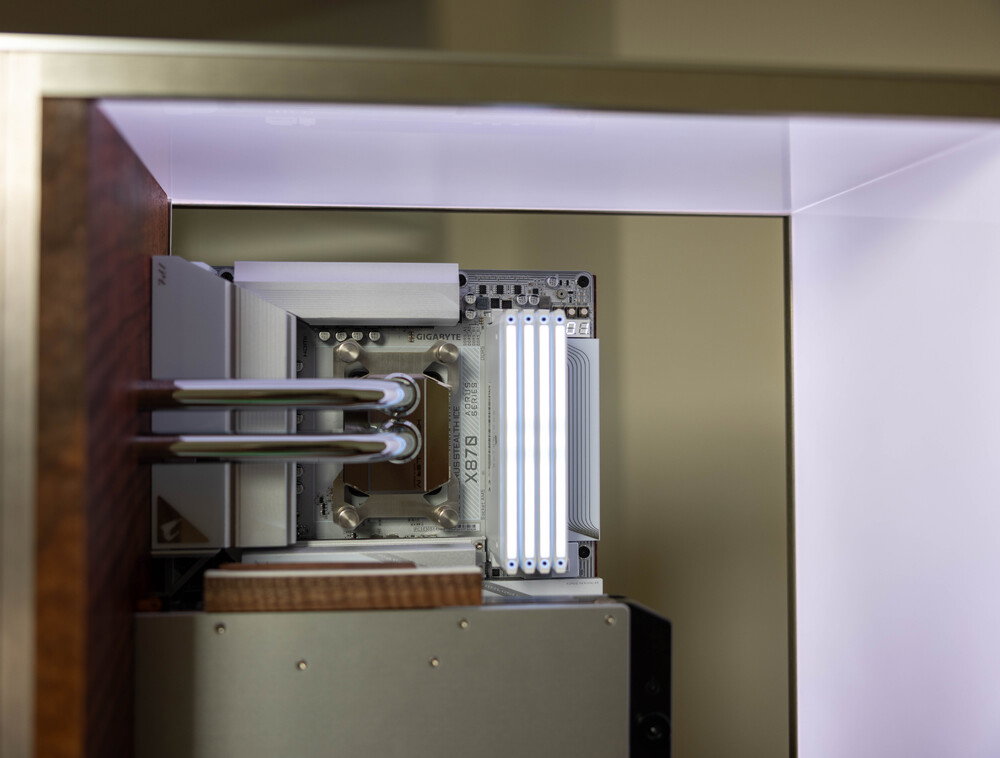
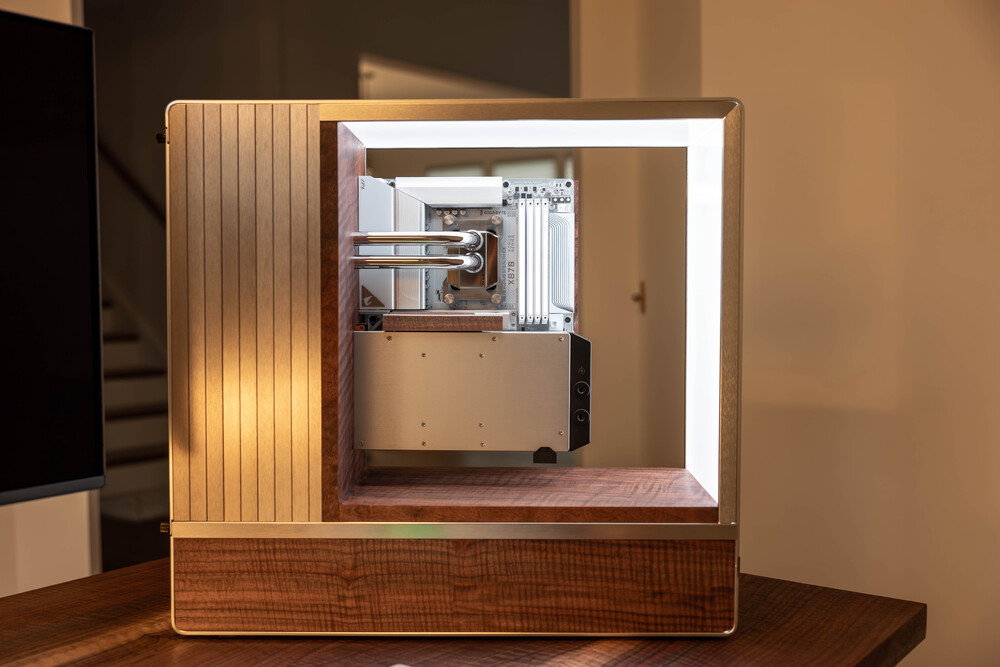
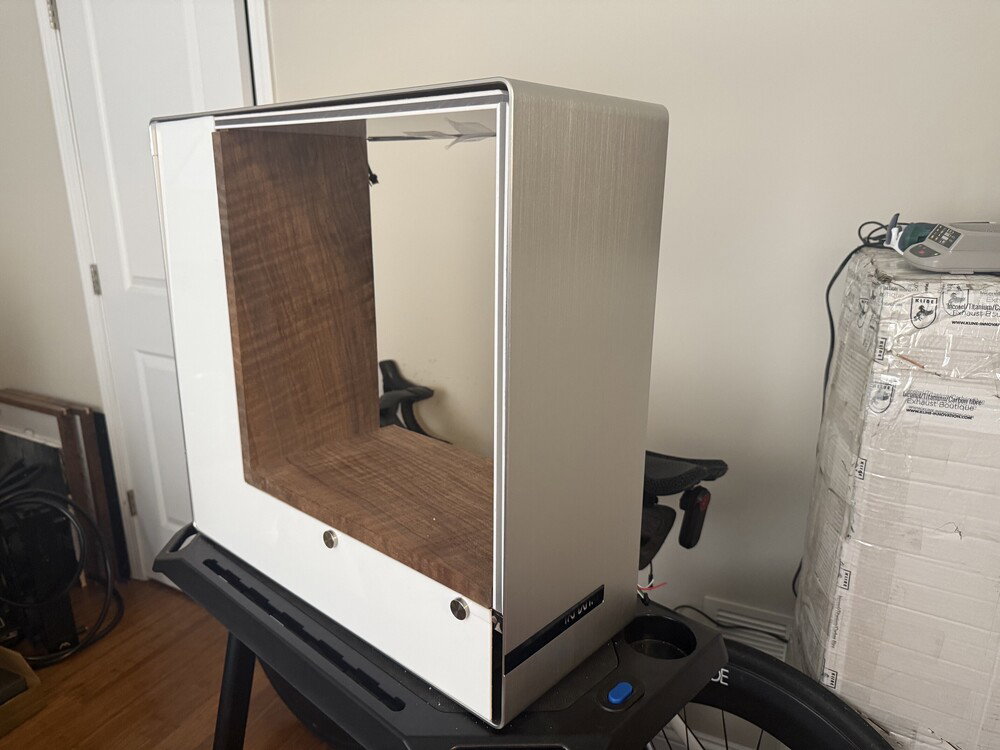
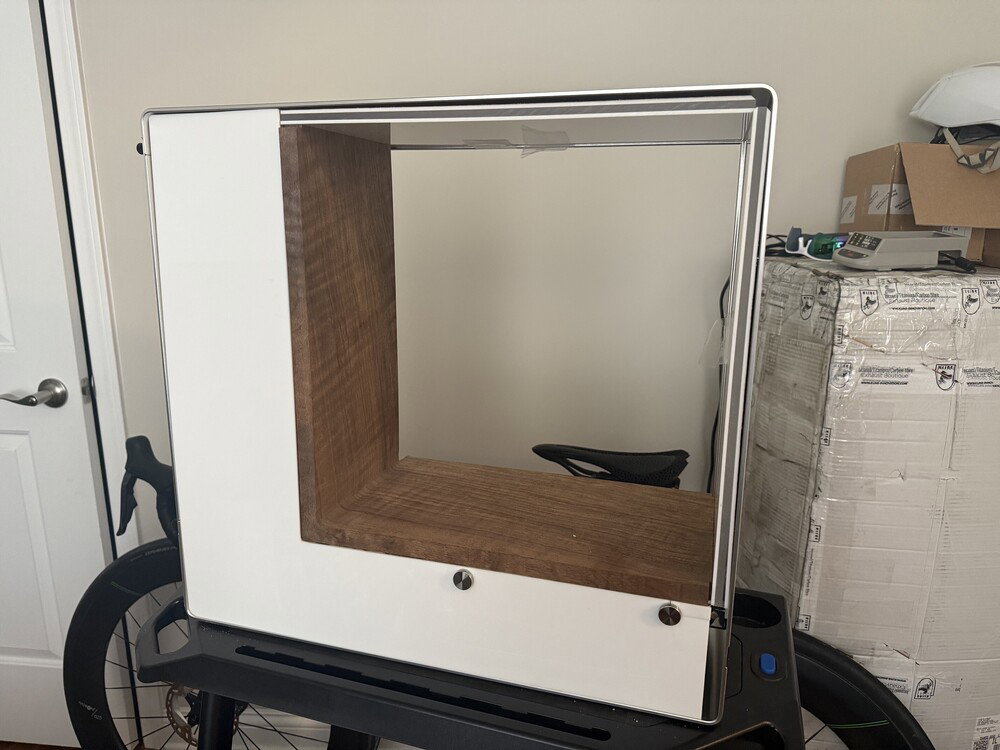
TLDR: Took me 7 years and all you can see is part of the MB and gpu, rest is wood or in the basement.
Video - https://youtu.be/WATSyPDW0QQ
After seven years of planning and waiting, Heartwood is finally finished.
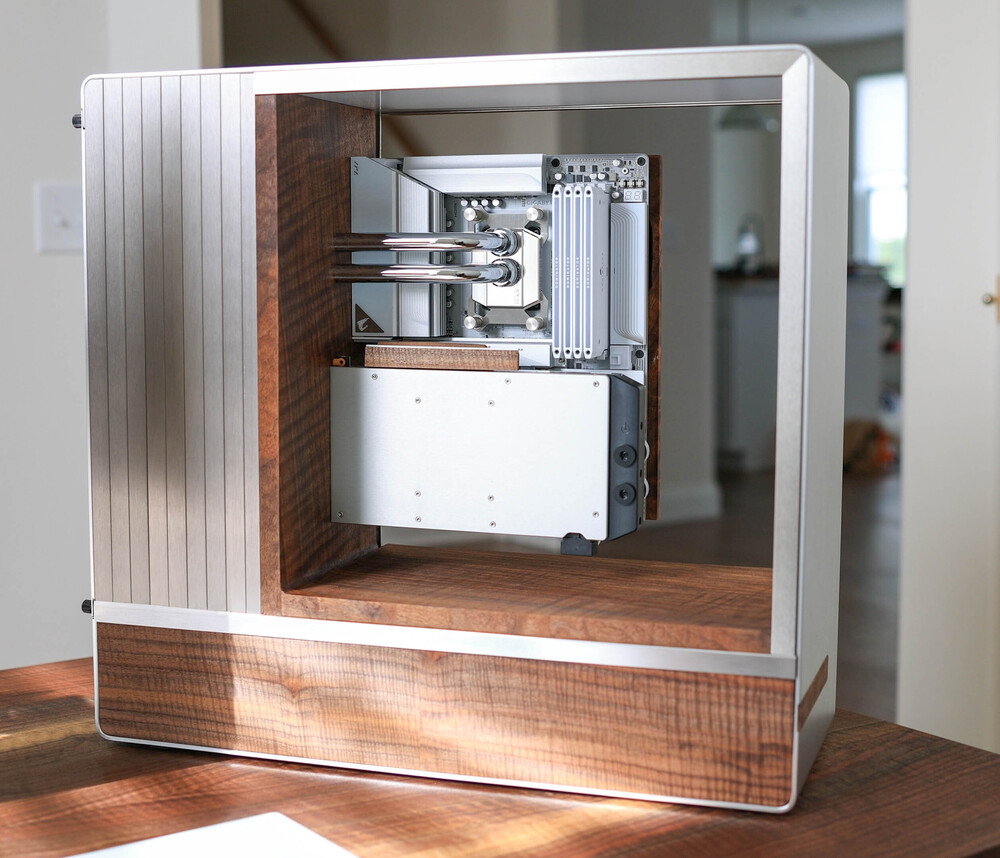
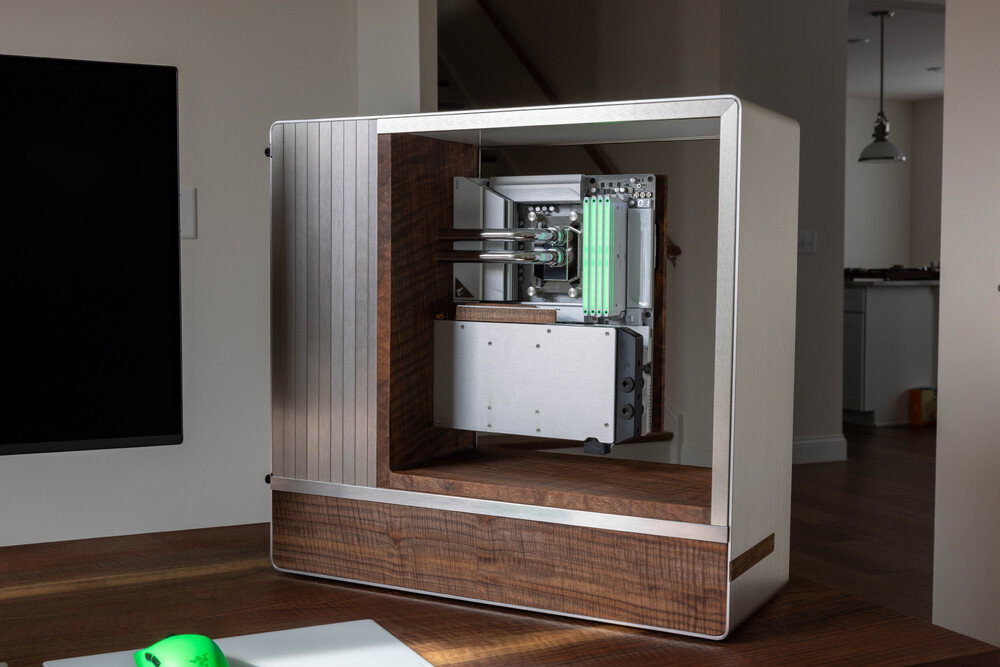
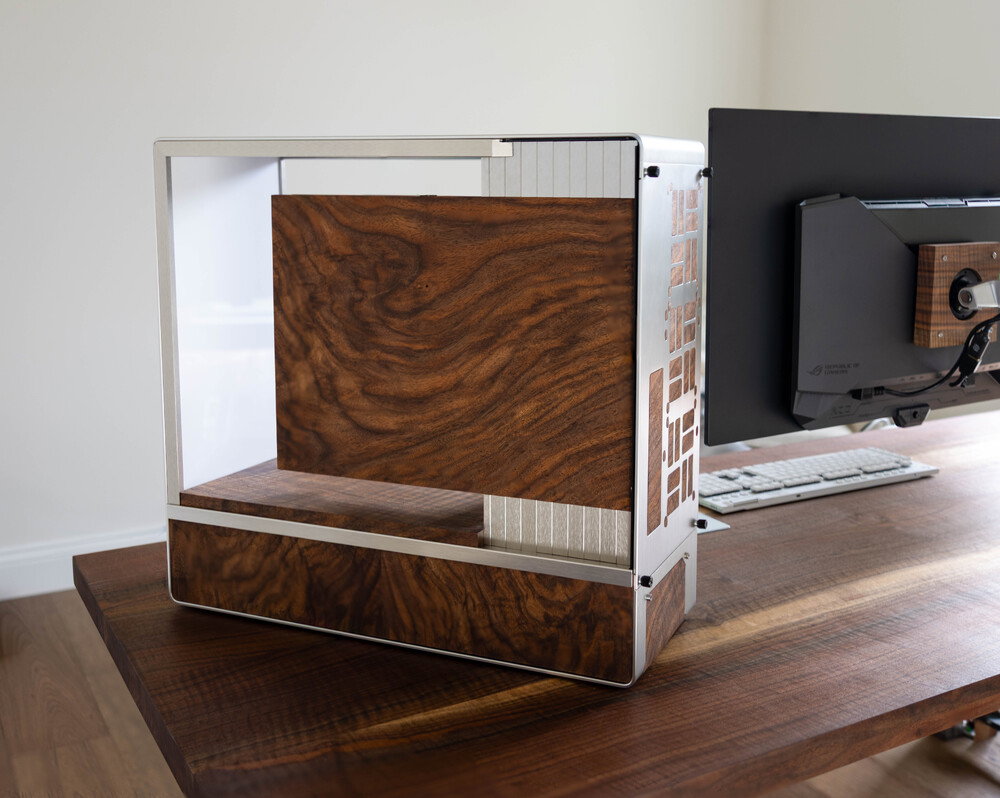
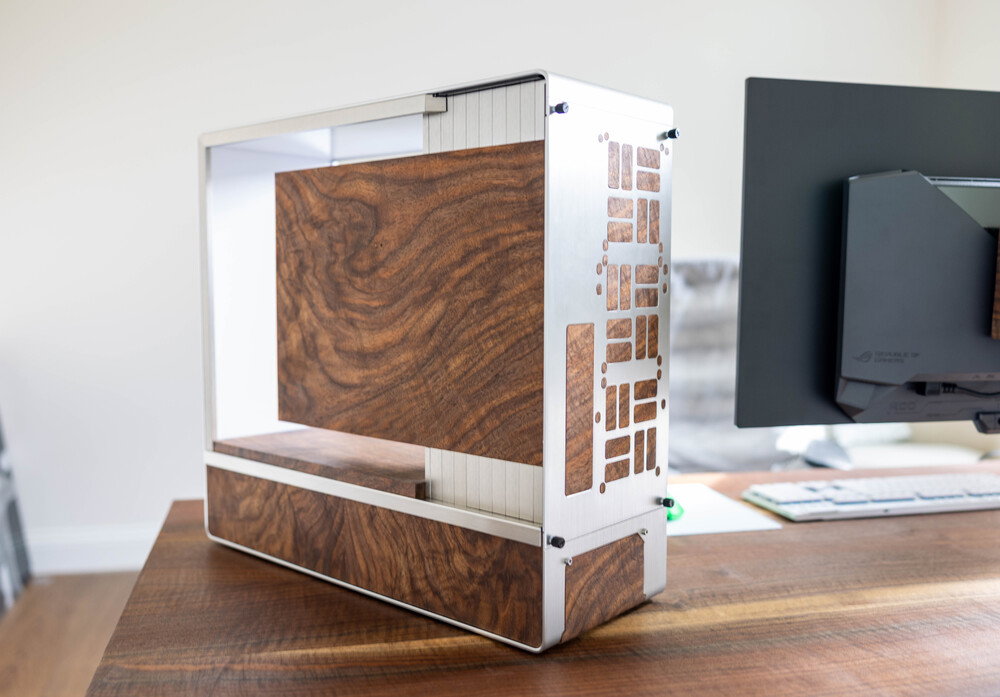
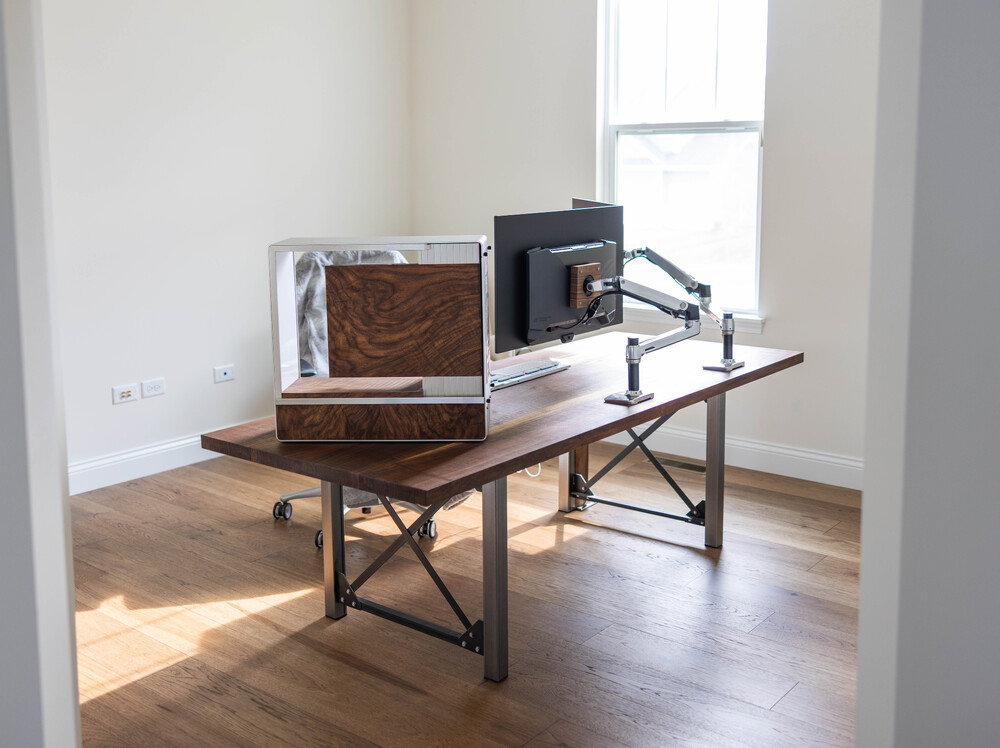
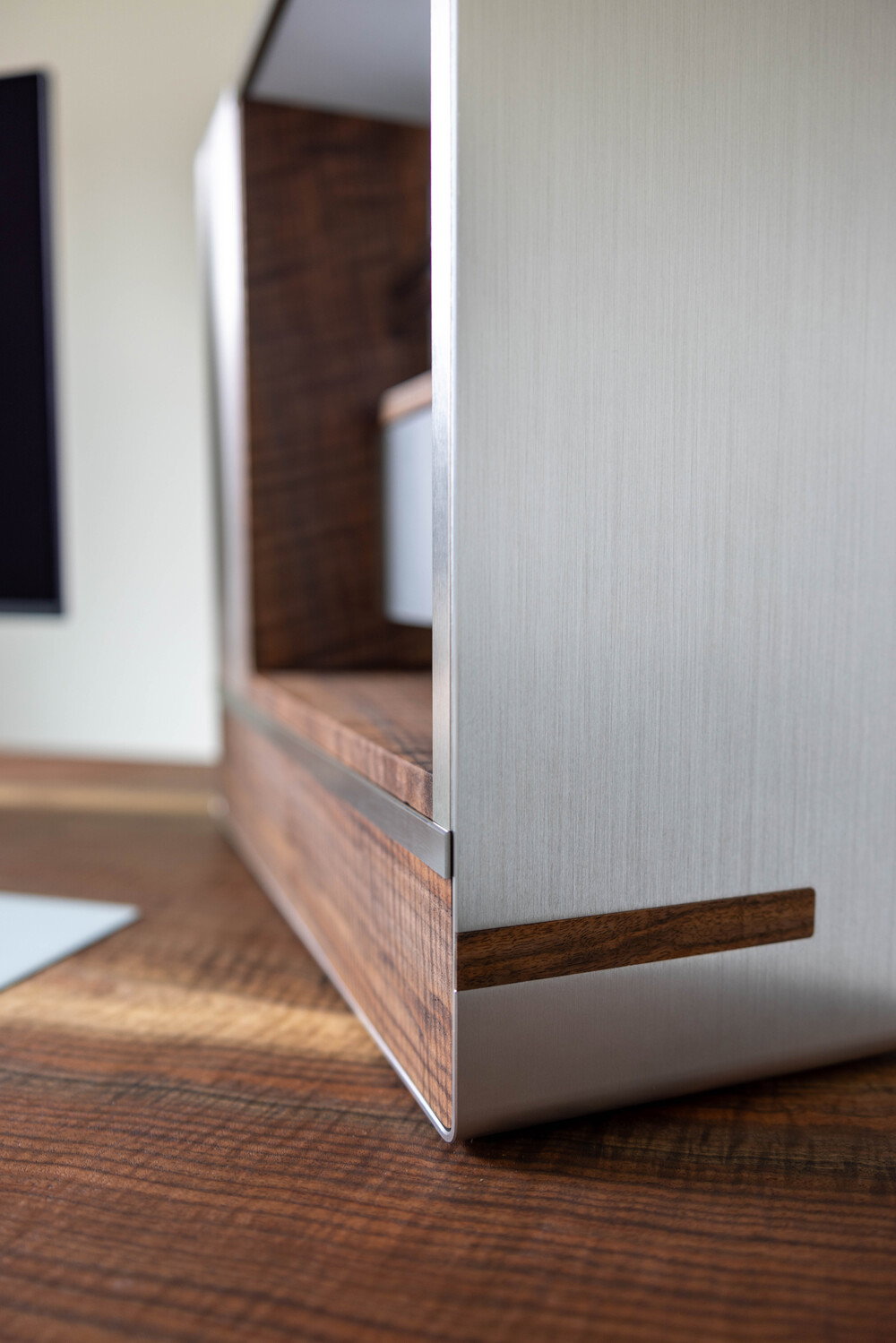
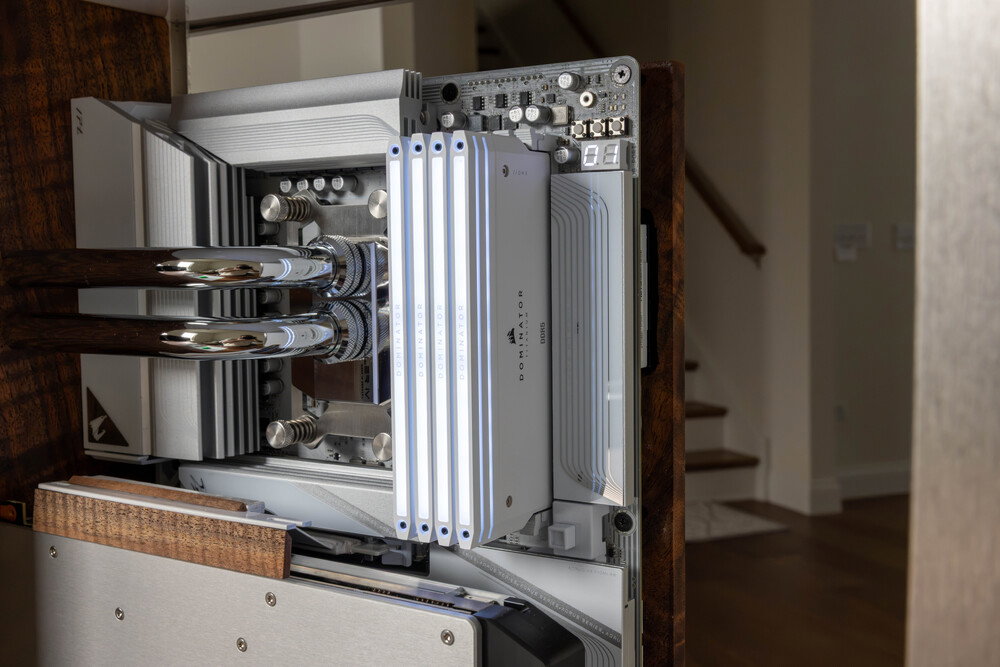
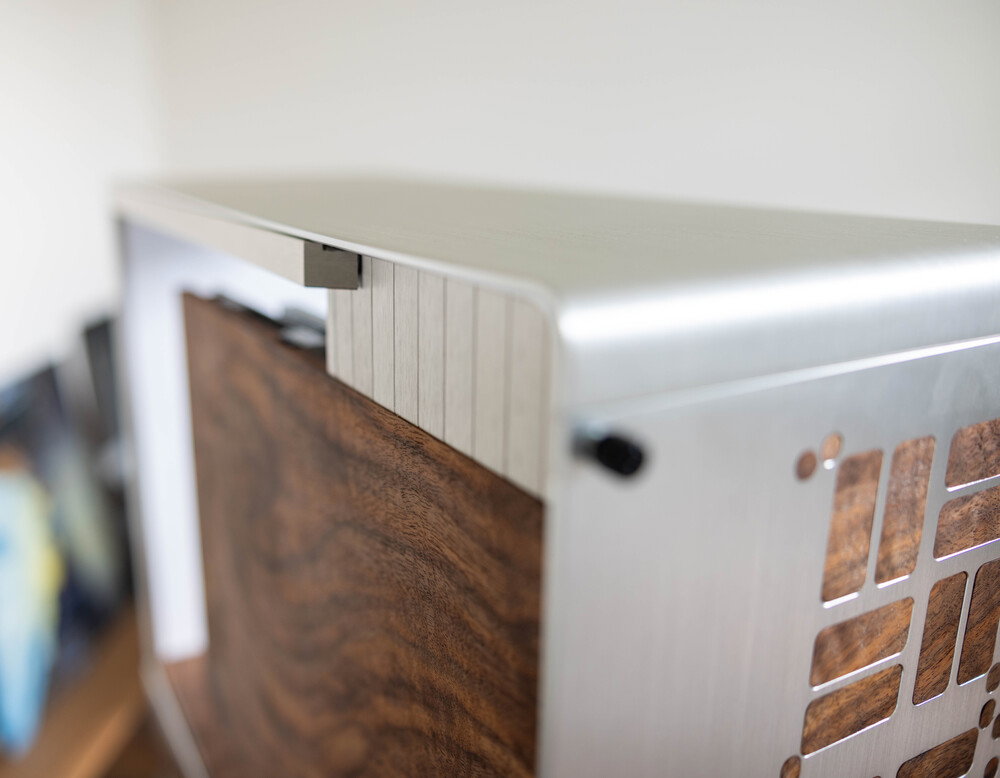
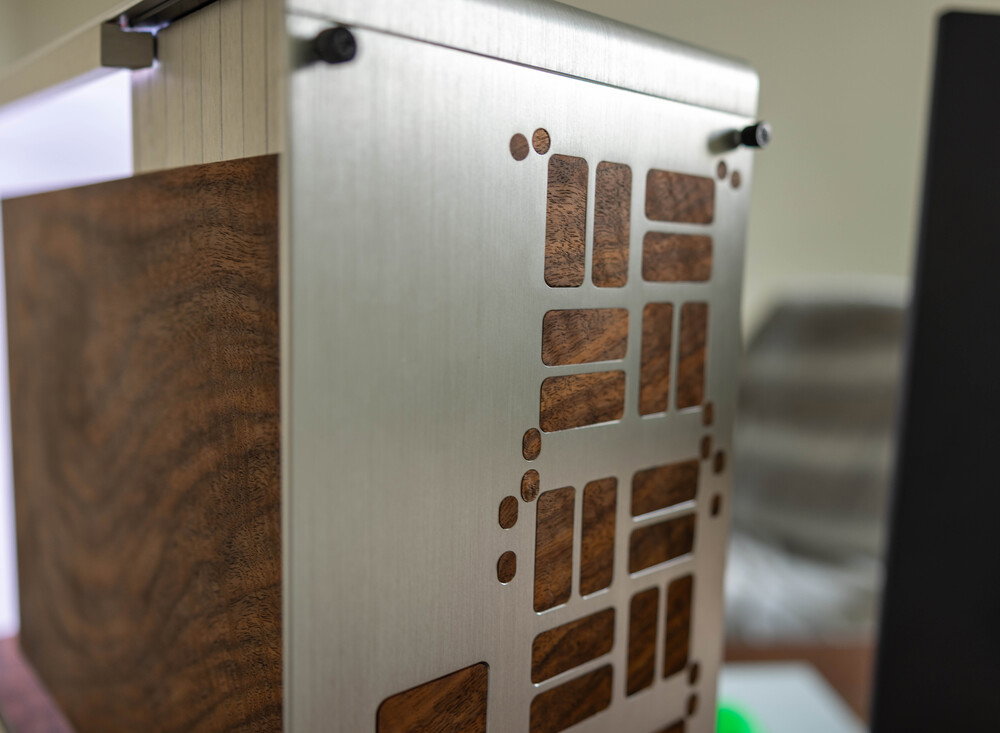
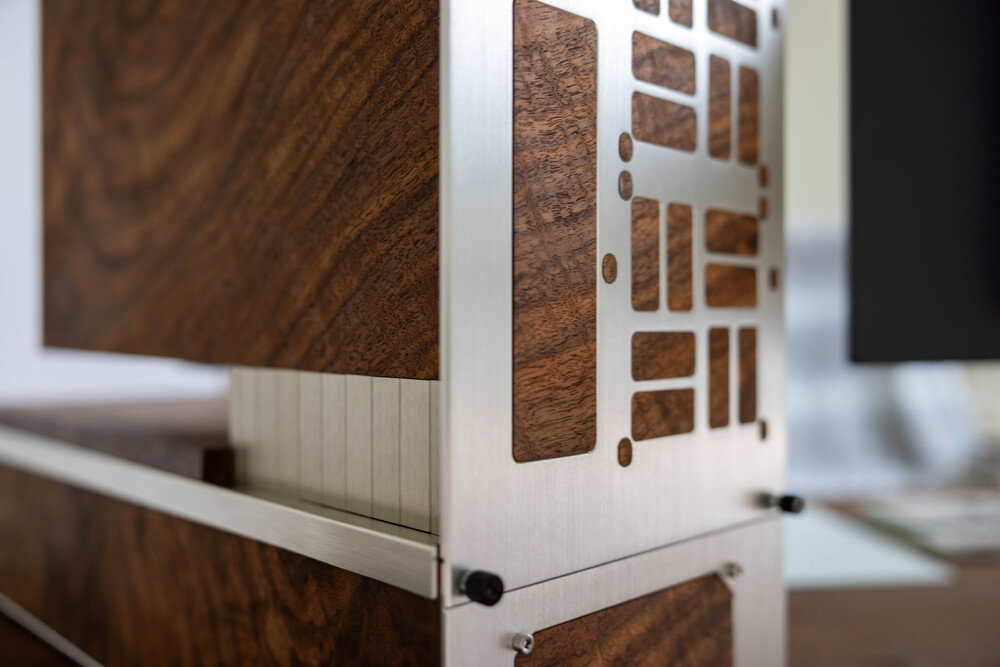
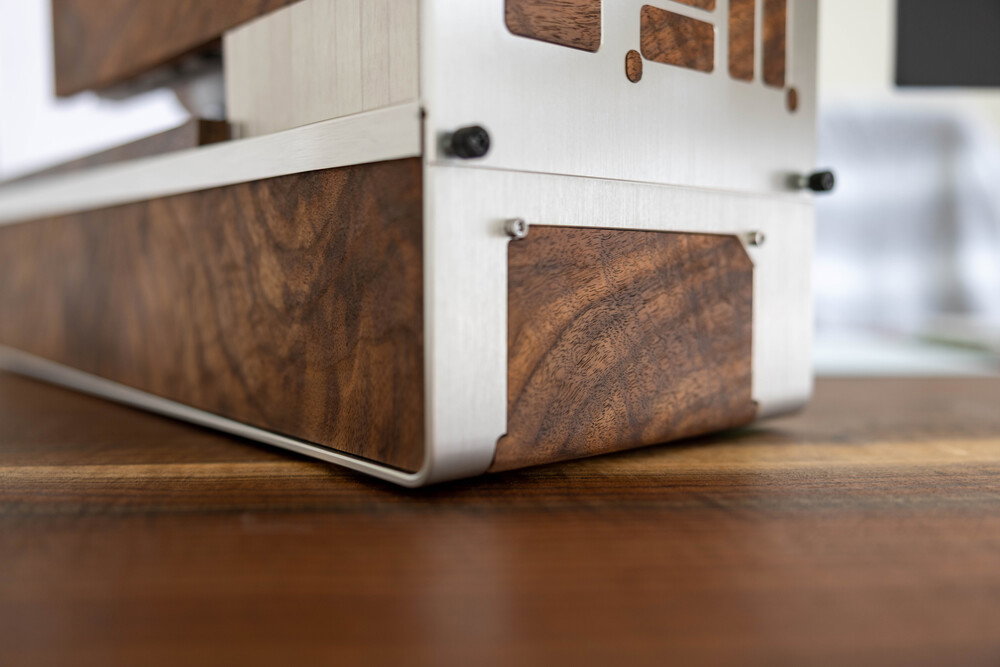
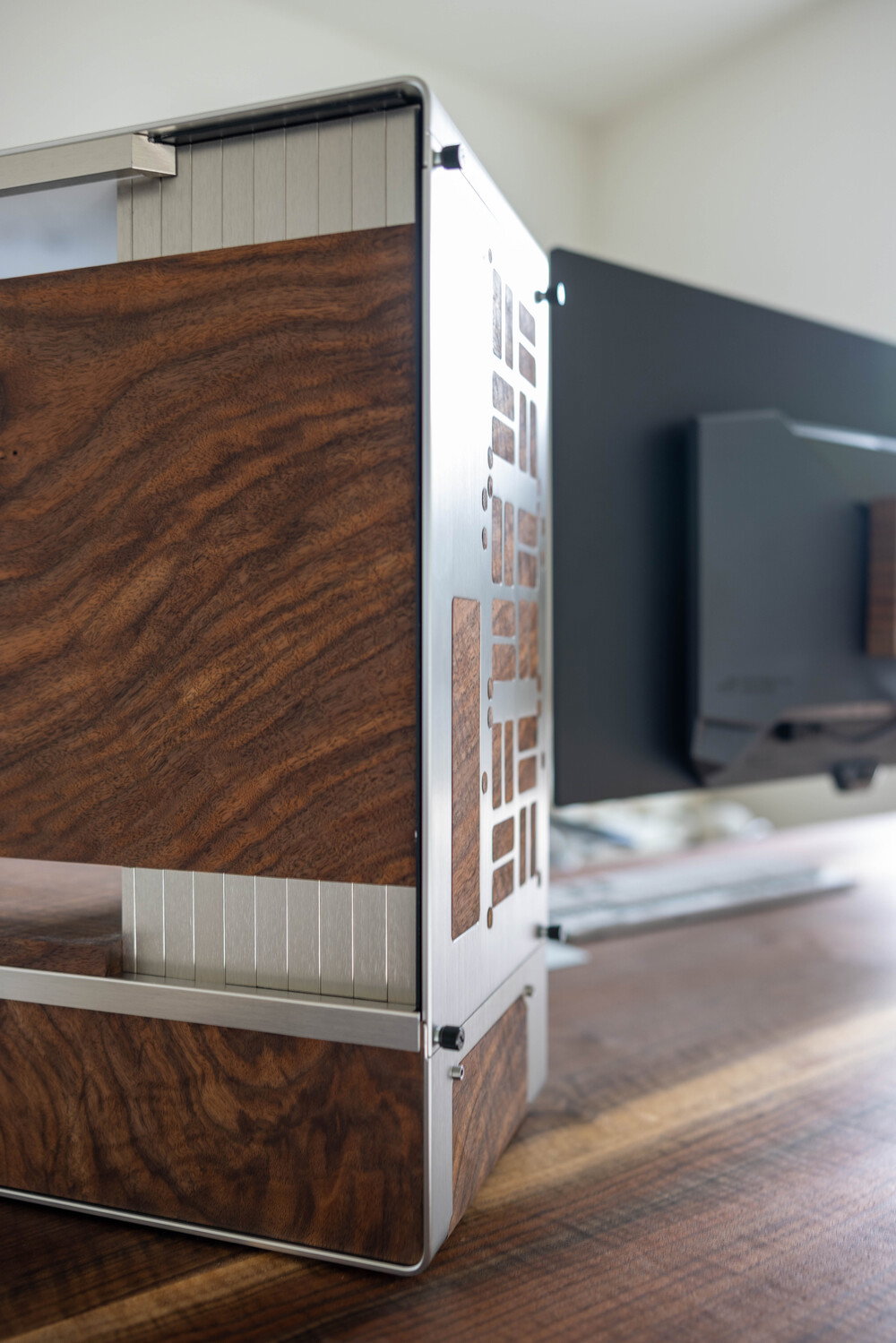
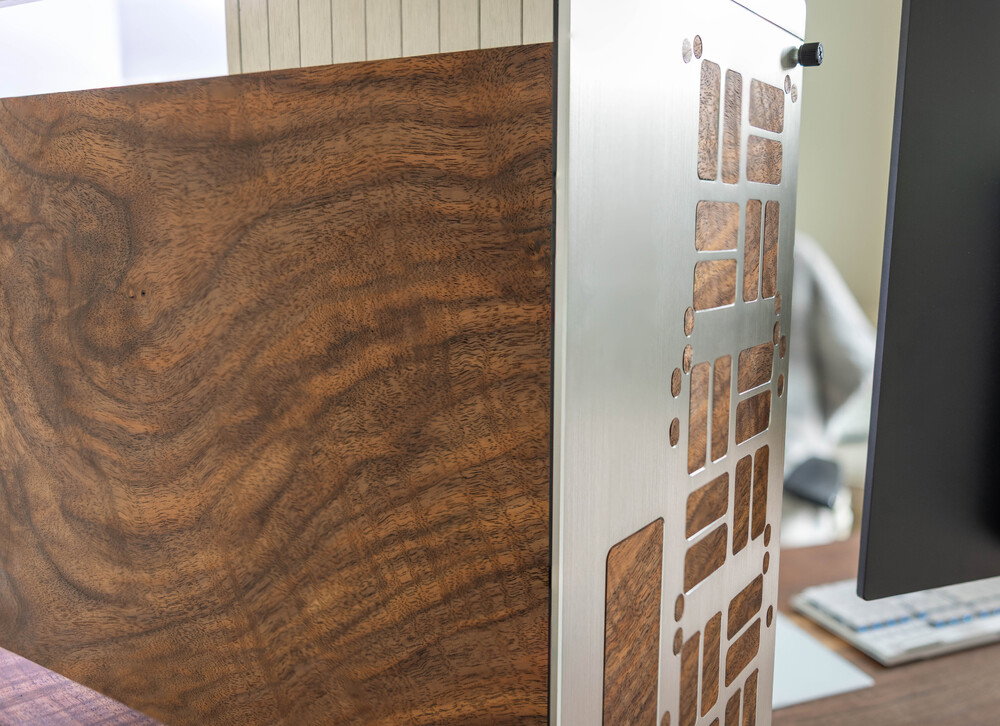
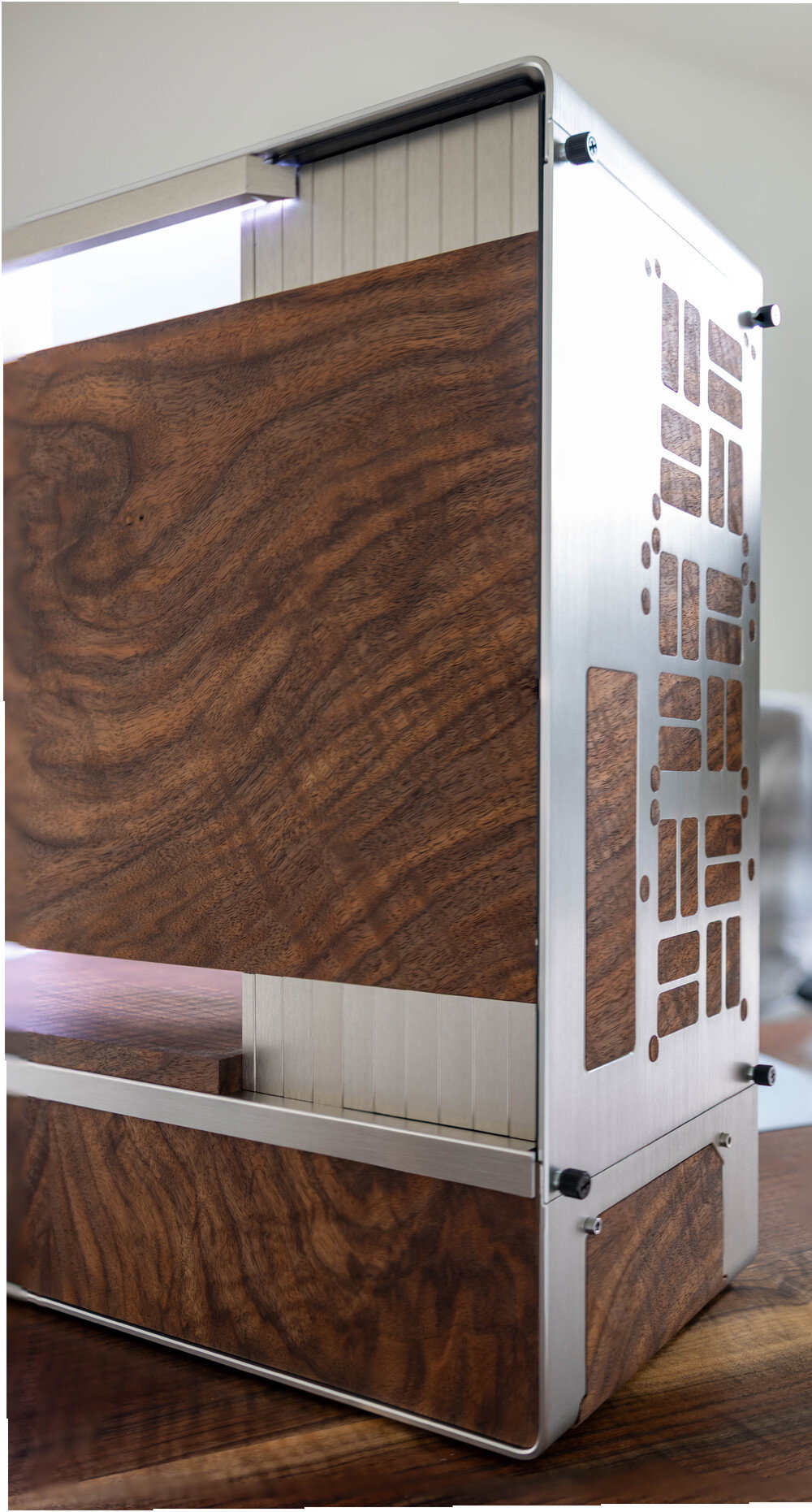
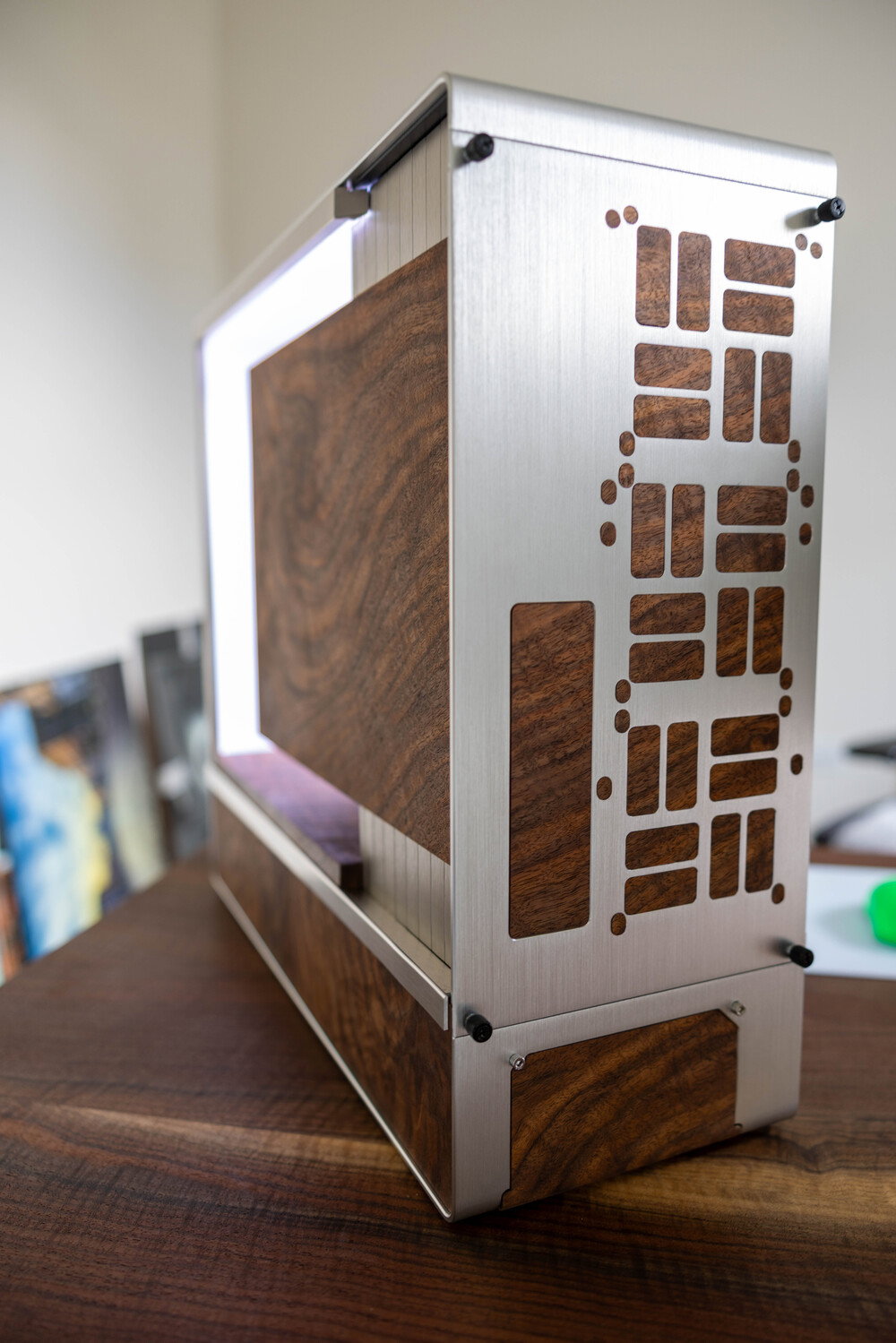
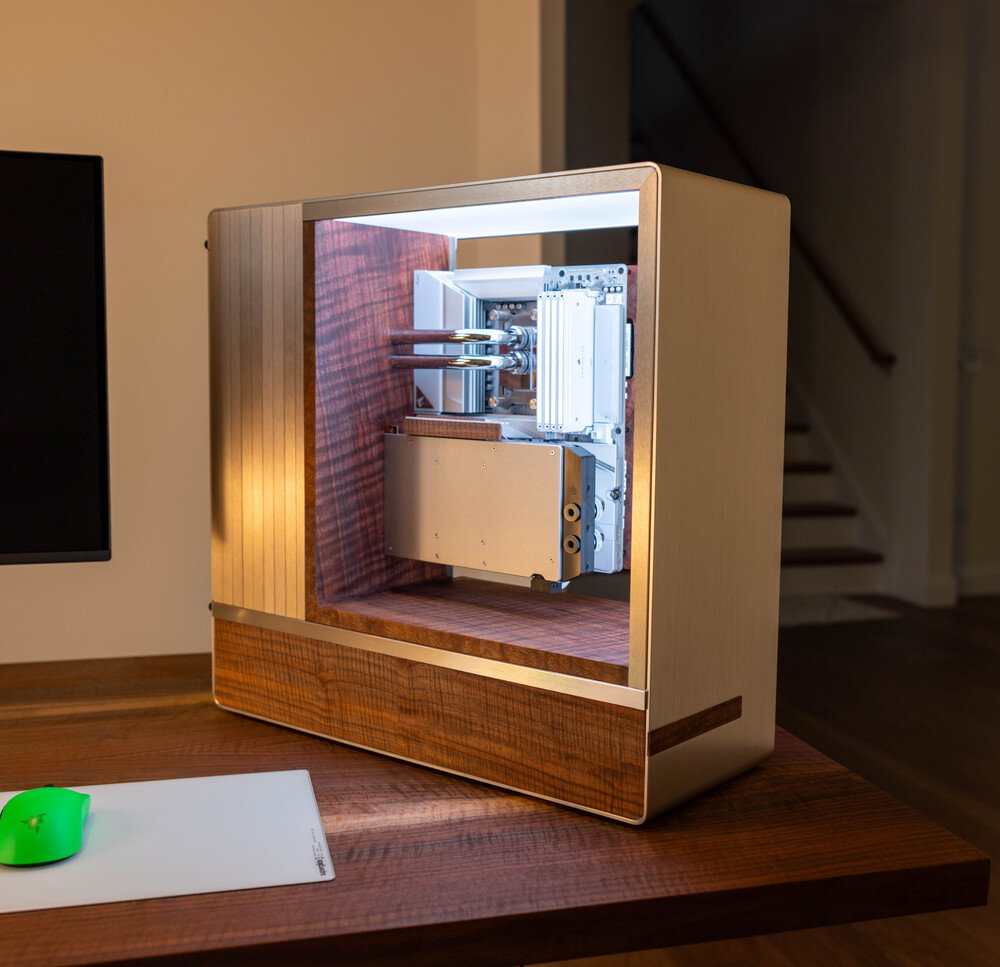
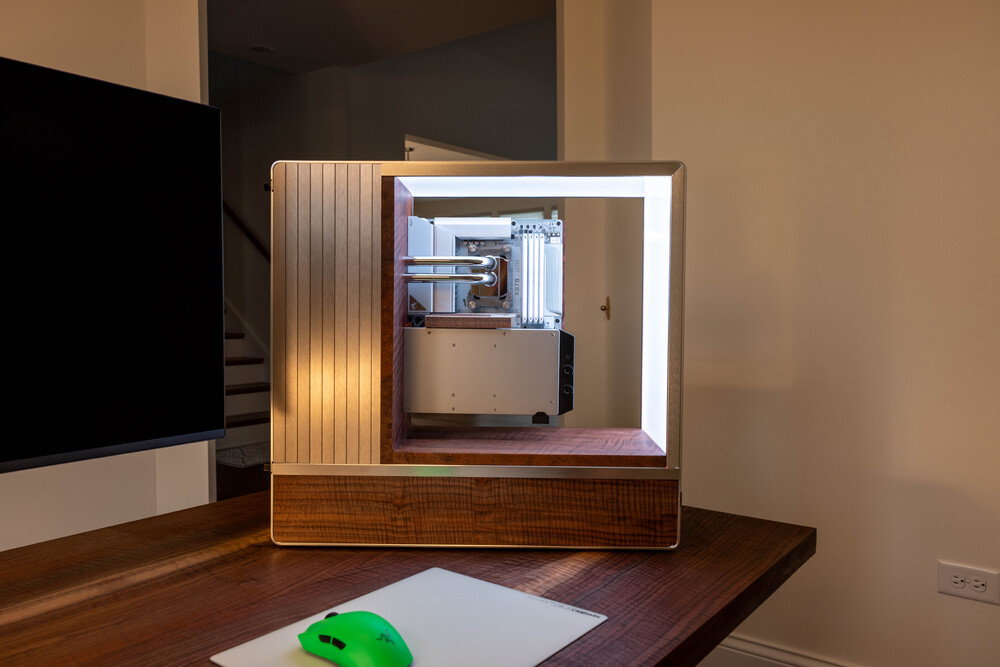
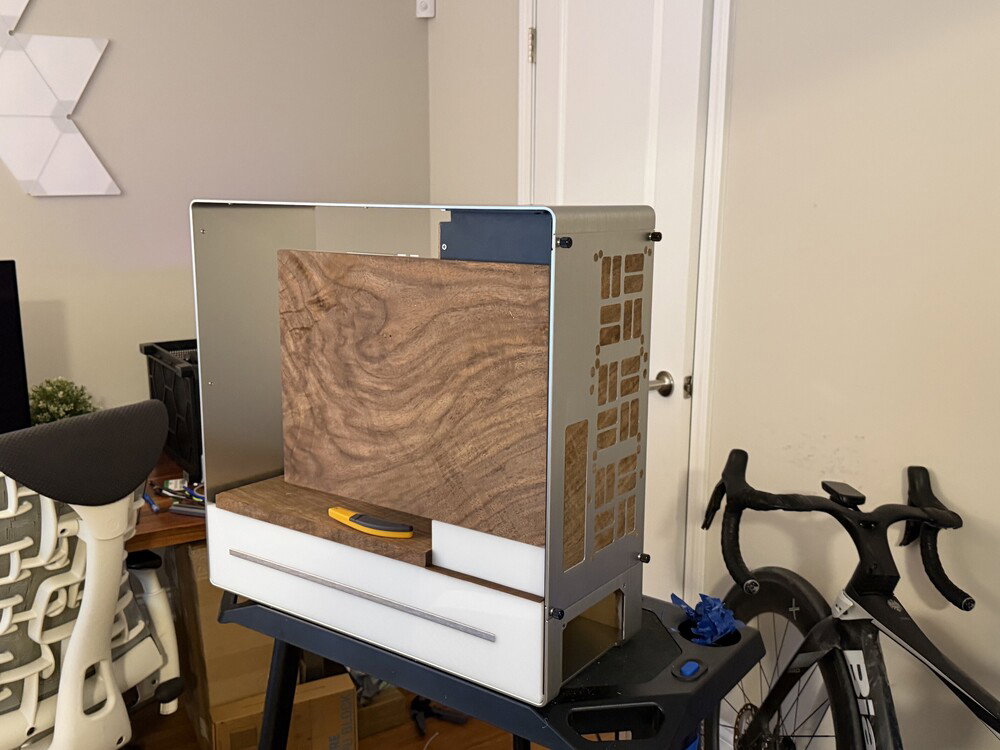
The path to its final form was motivated by others and a few goals. I wanted it to be a one-off build, but something any gamer would still recognize as a PC. We often see breathtaking builds that I myself admire for their looks and the clear time and effort it took to create them, but they no longer look like a computer. It’s a car, a tank, or simply PC parts magically stacked together like Jenga. Heartwood had to be both: unmistakably custom, but still unmistakably a PC.
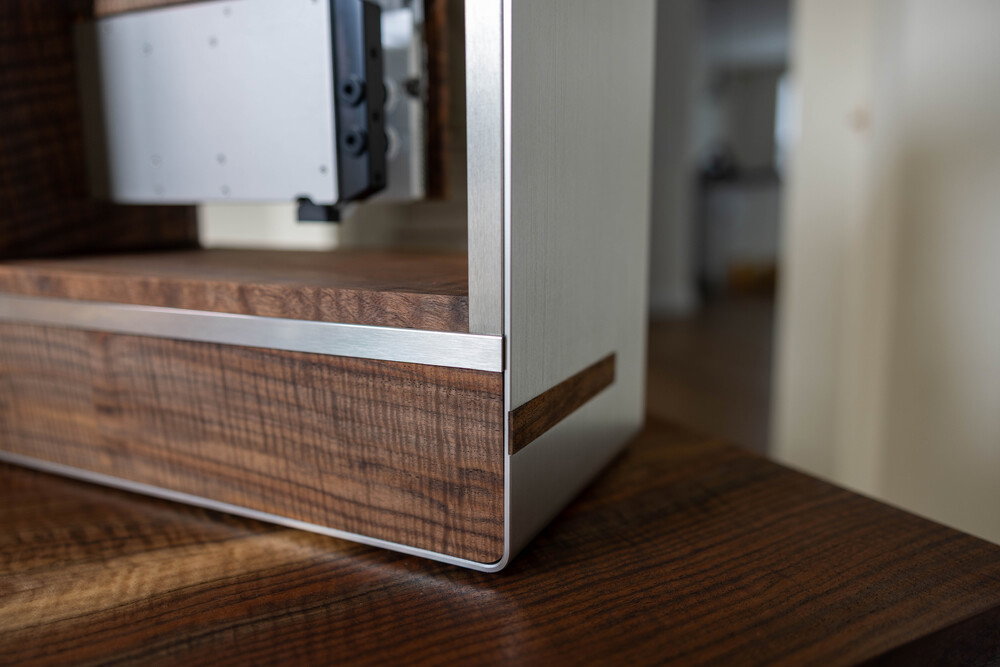
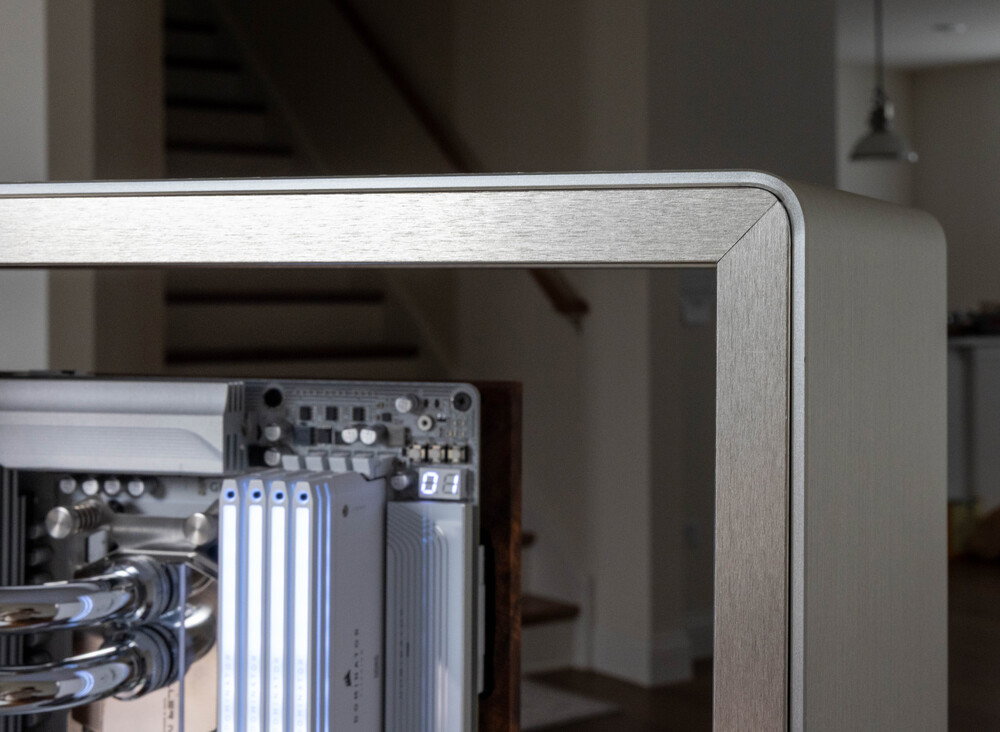
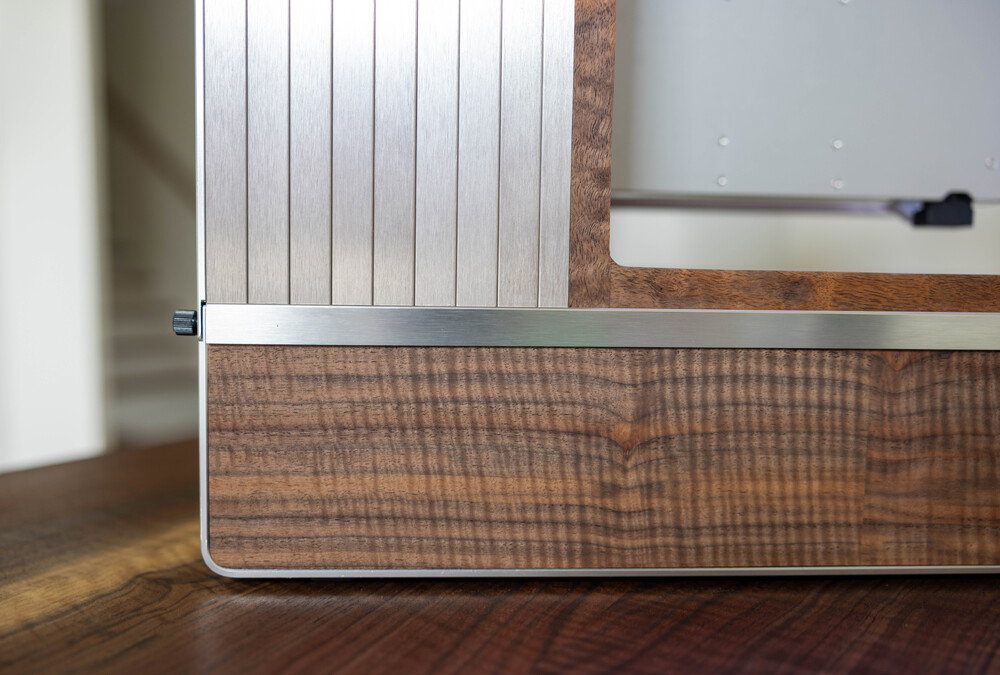
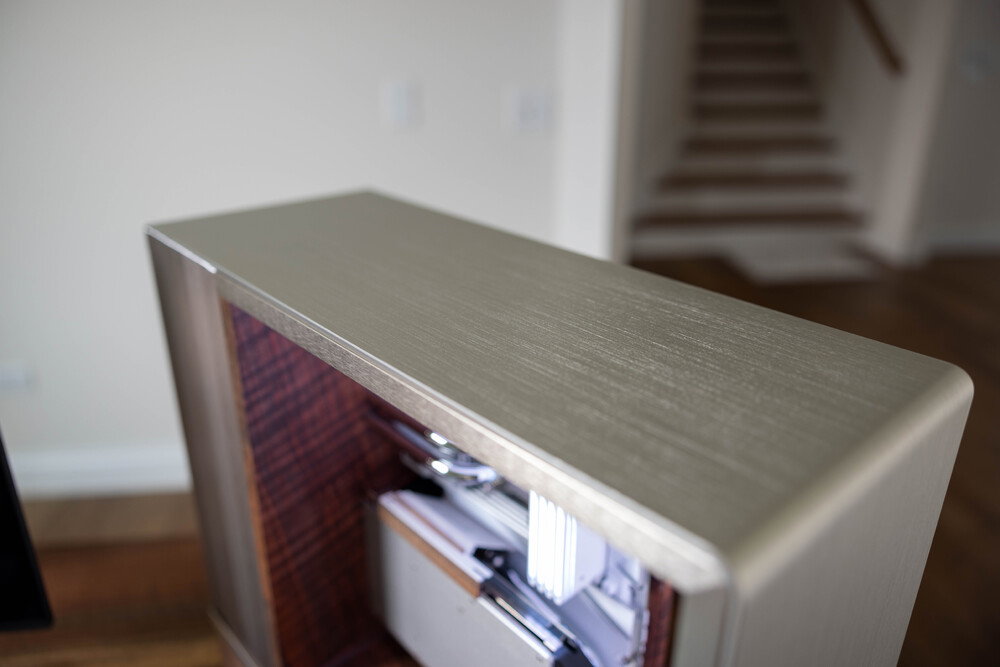
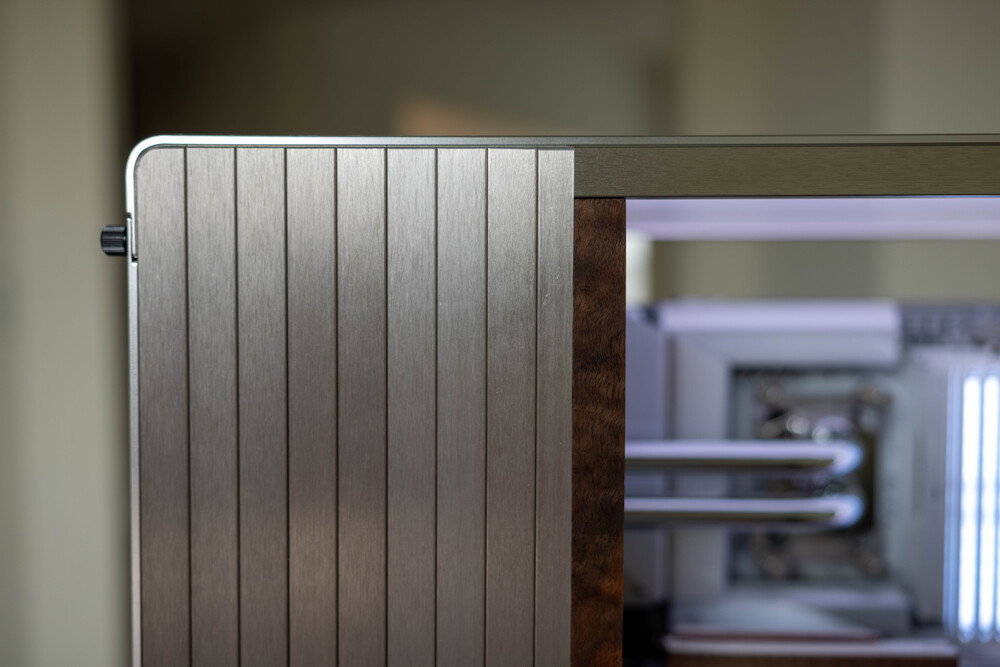
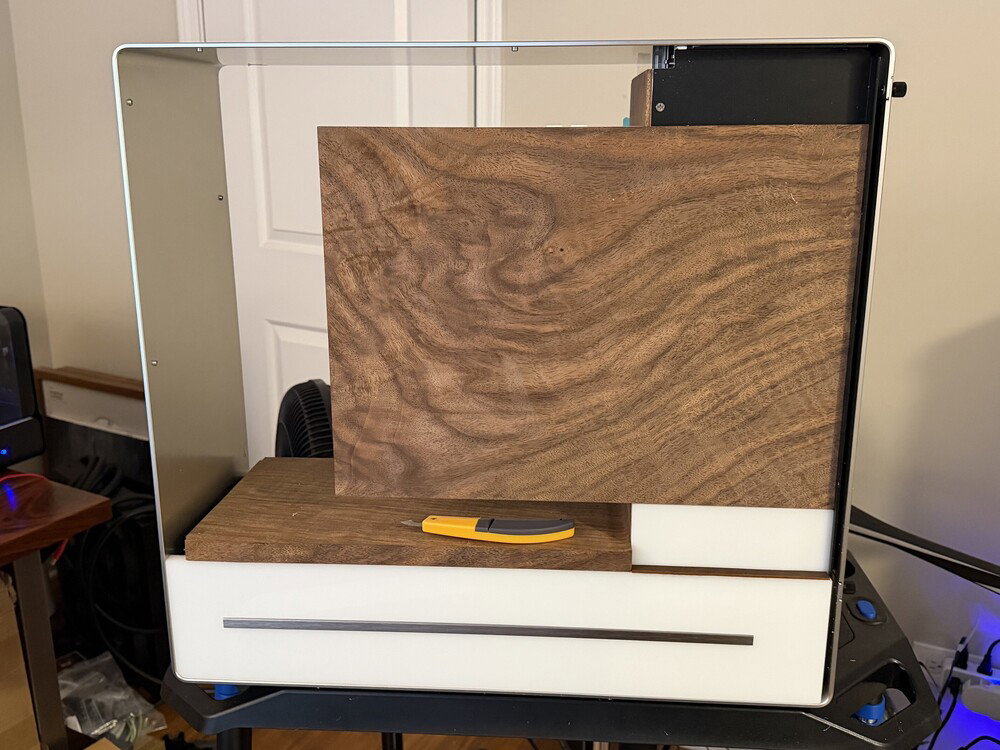
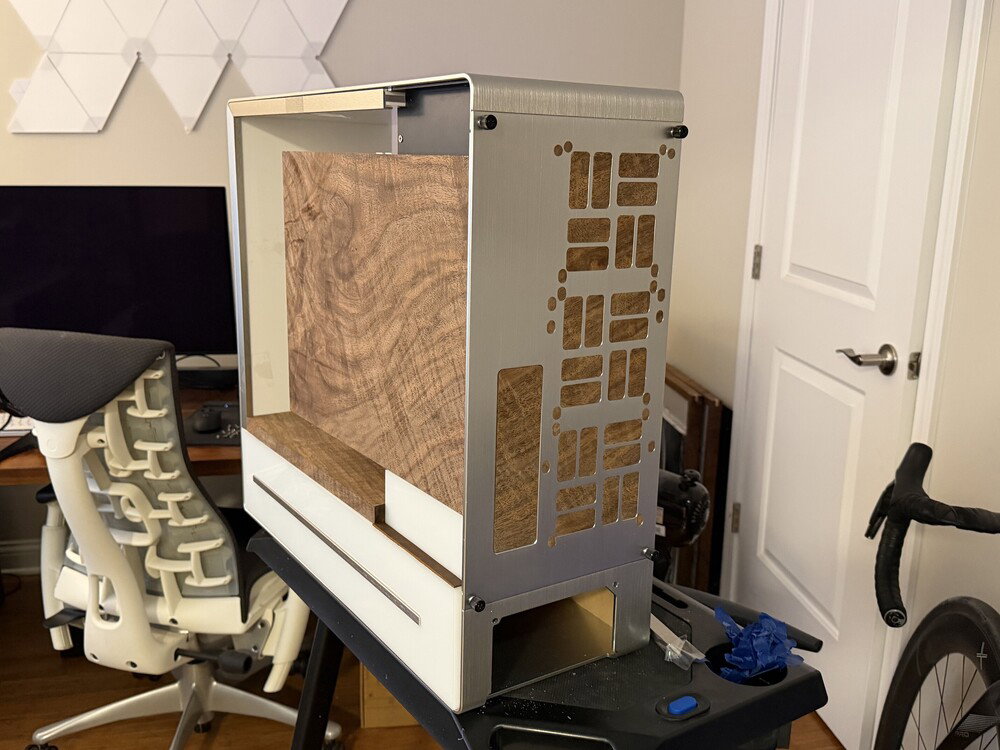
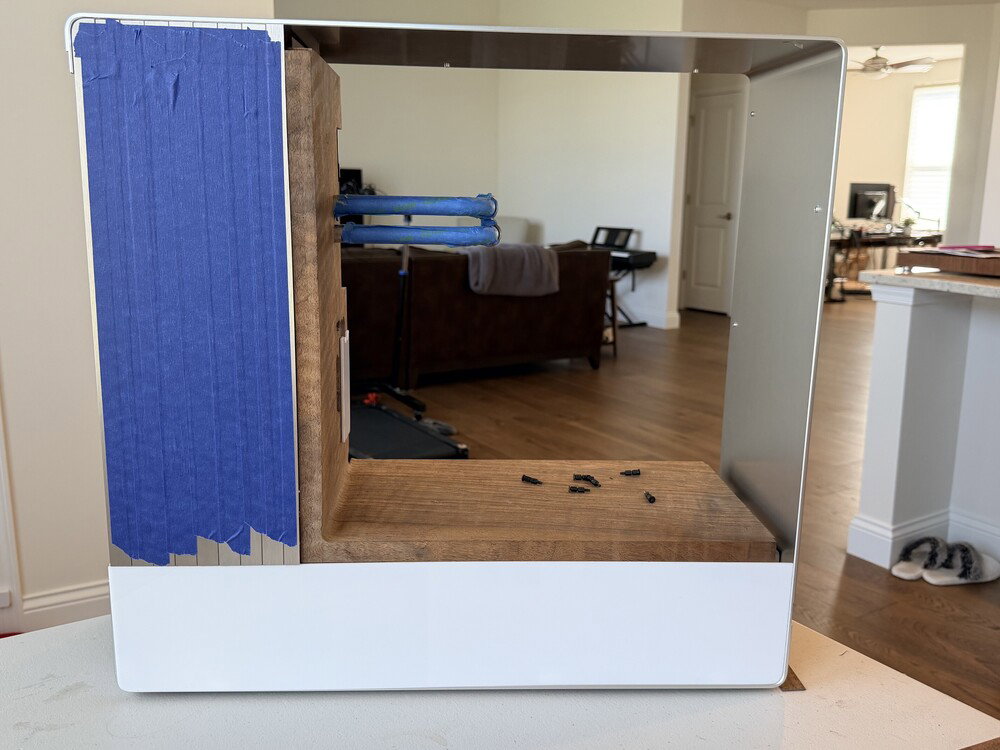
The build plan started with In Win’s 909 case and its beautiful aluminum shell, and was then influenced further by the EKWB edition, adding more of that wonderful aluminum.
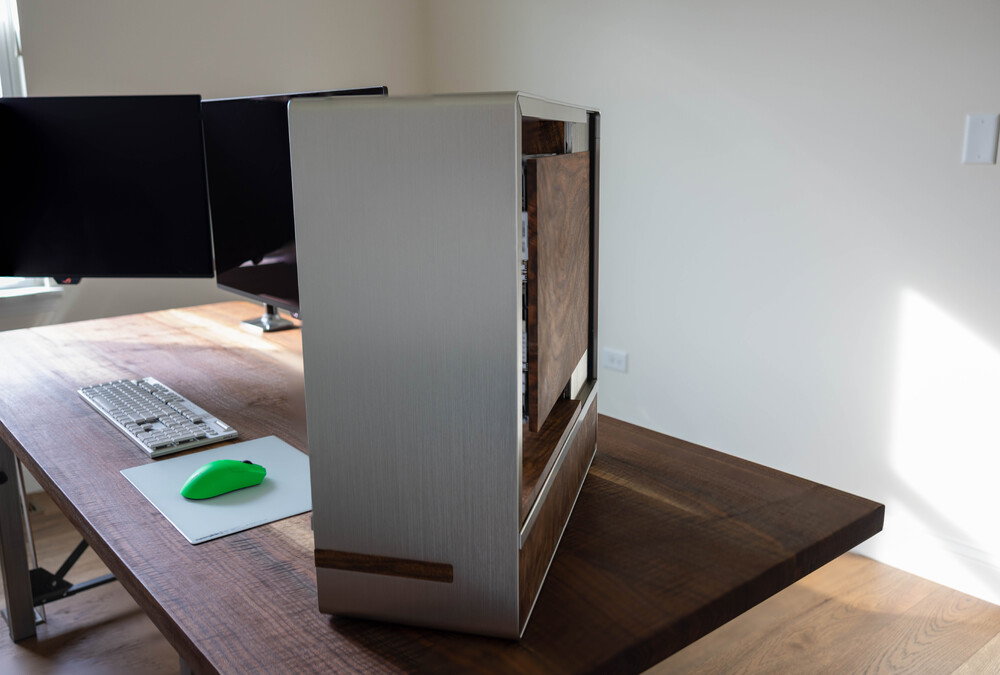
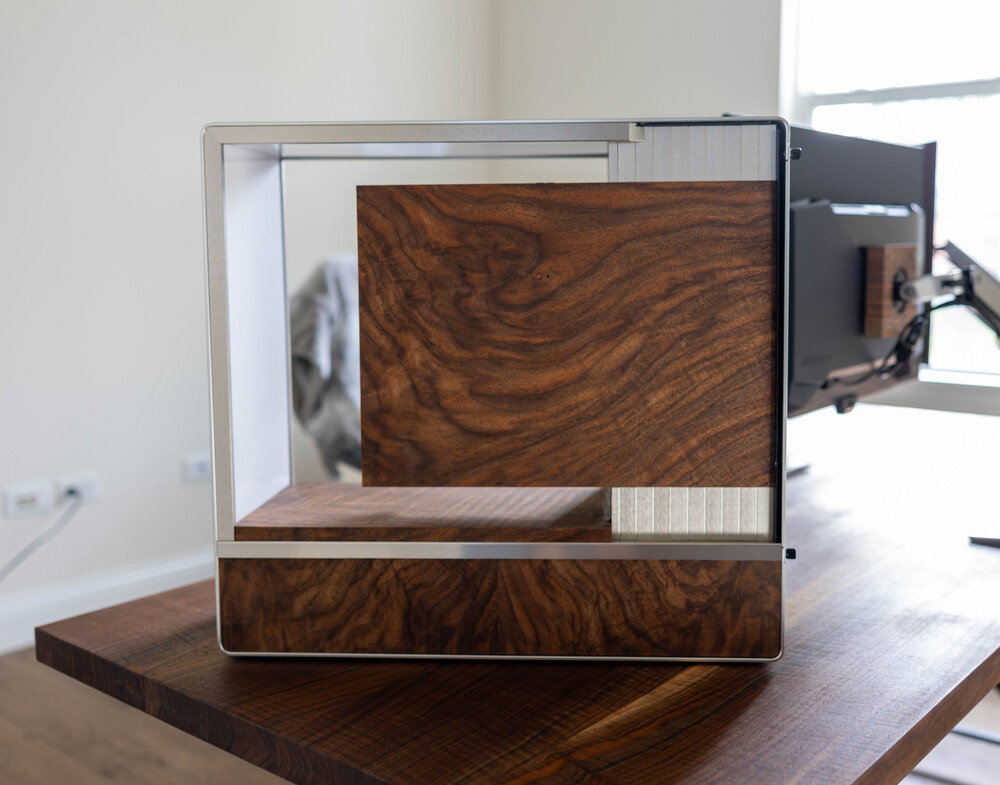
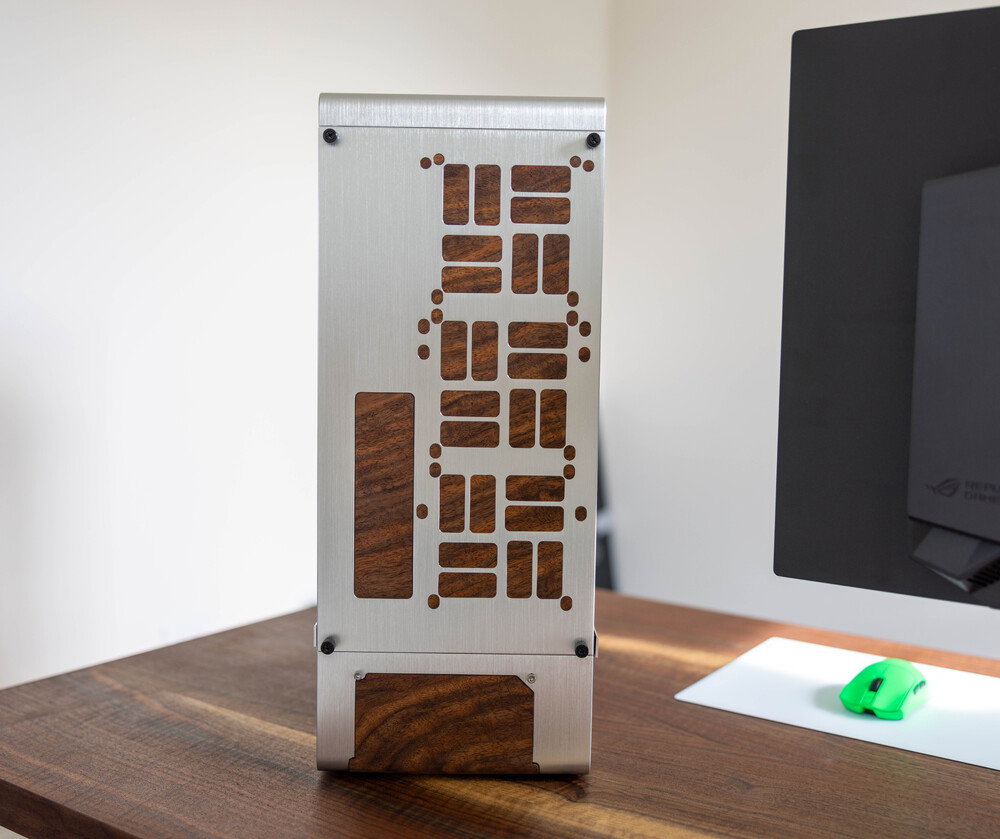
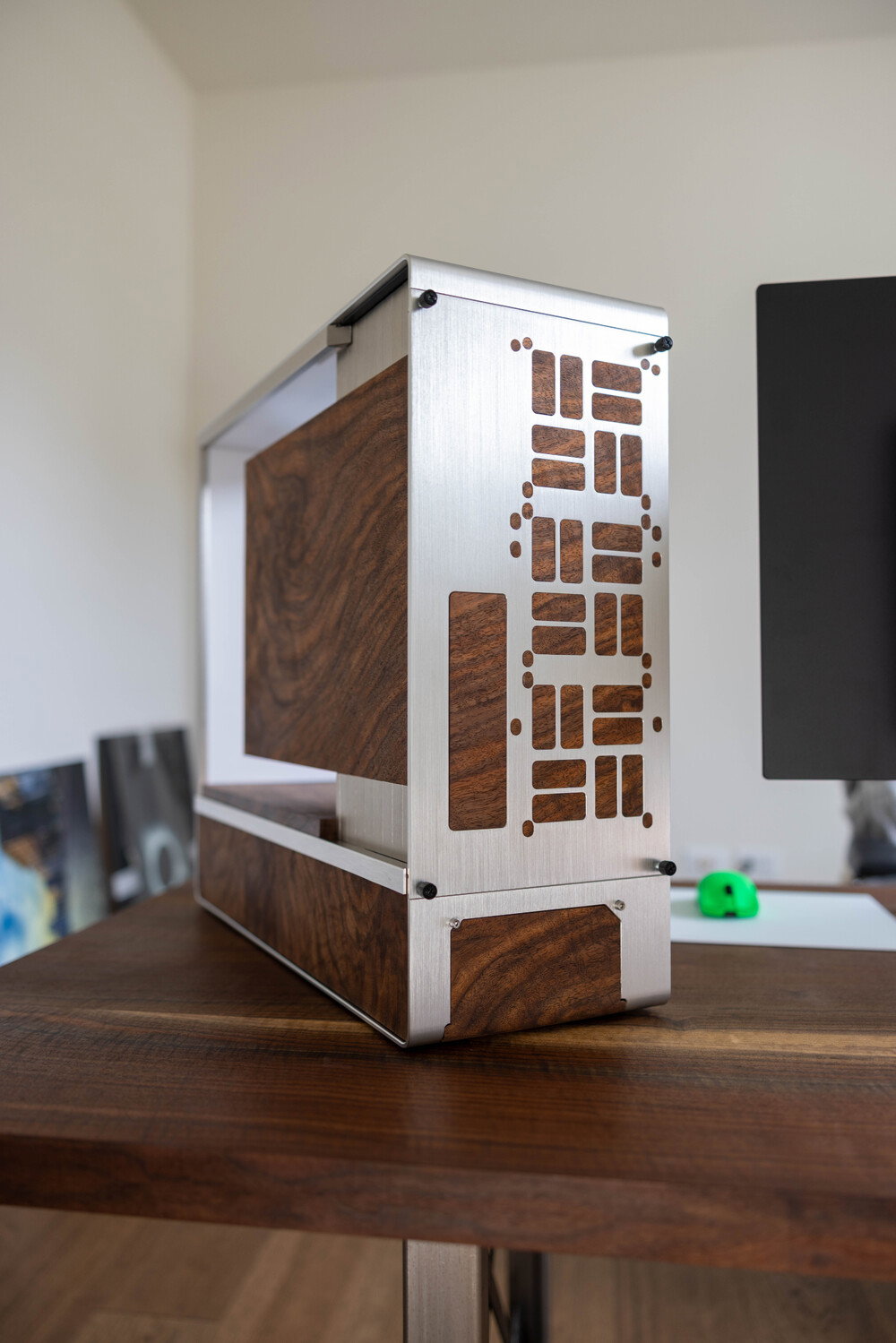
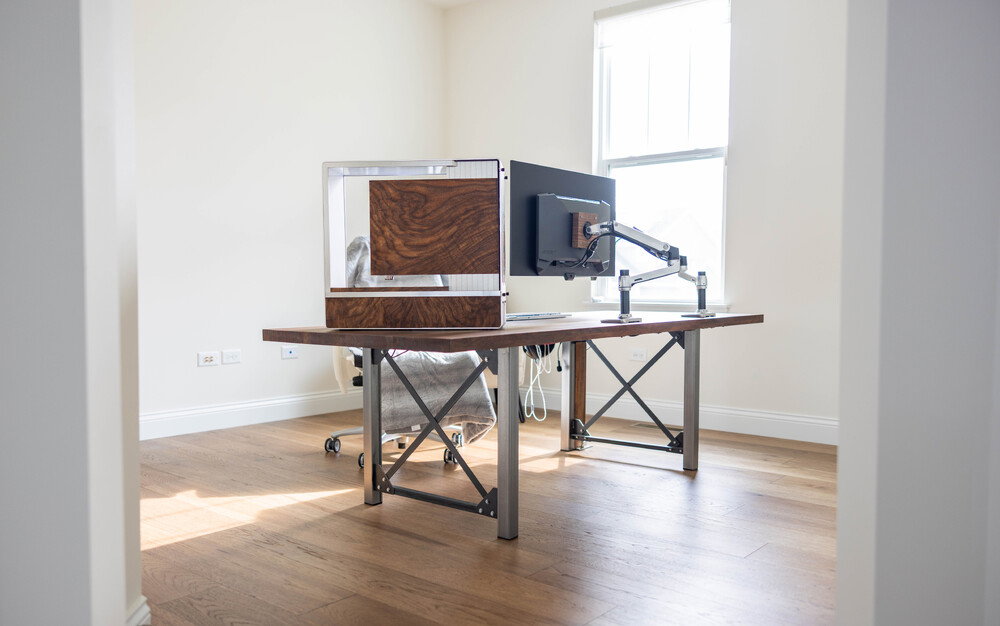
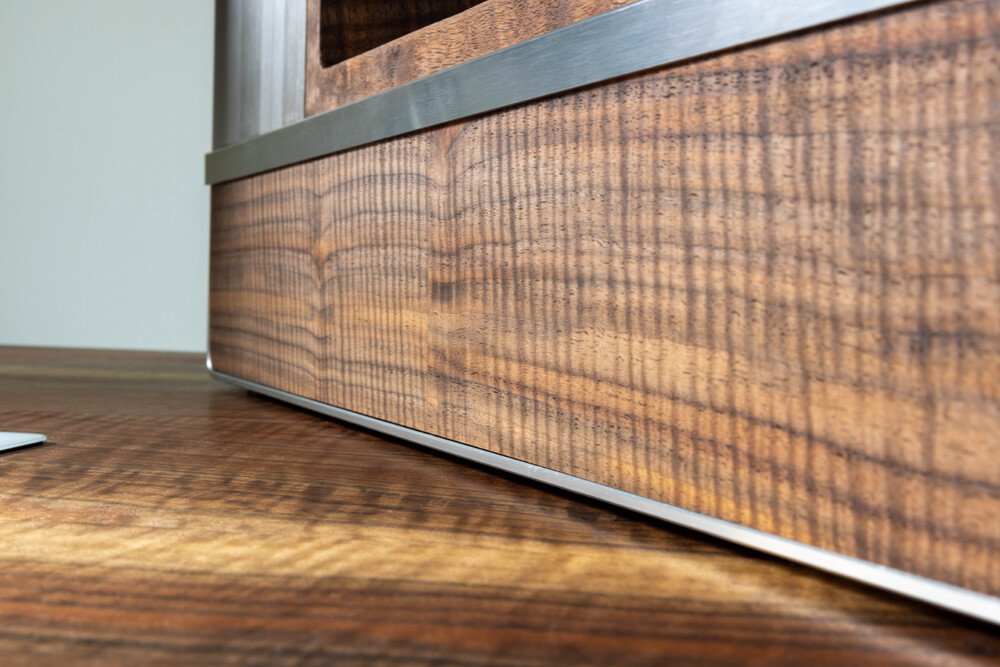
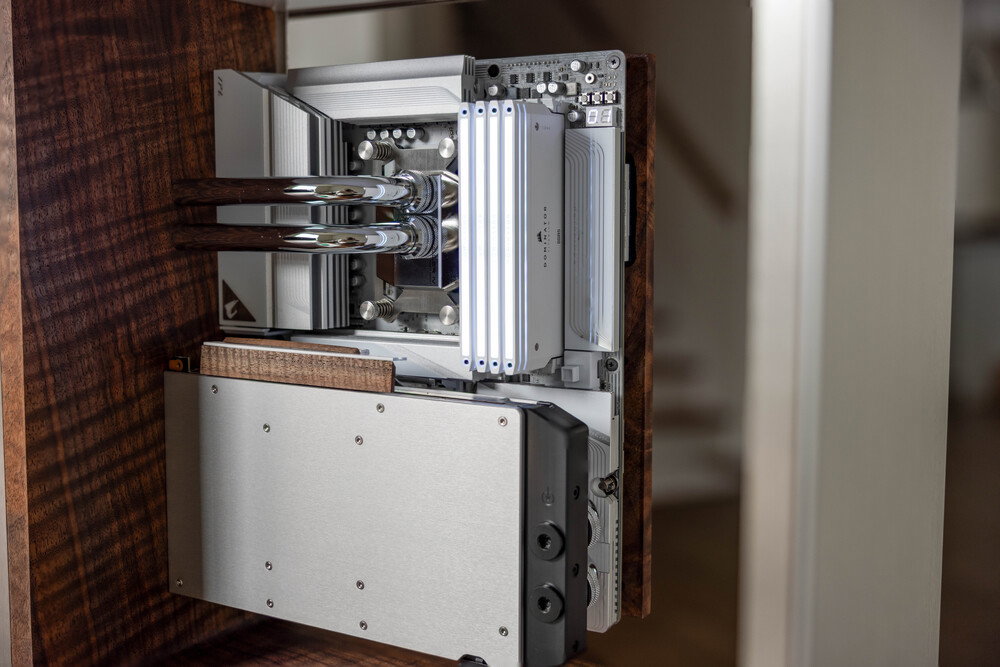
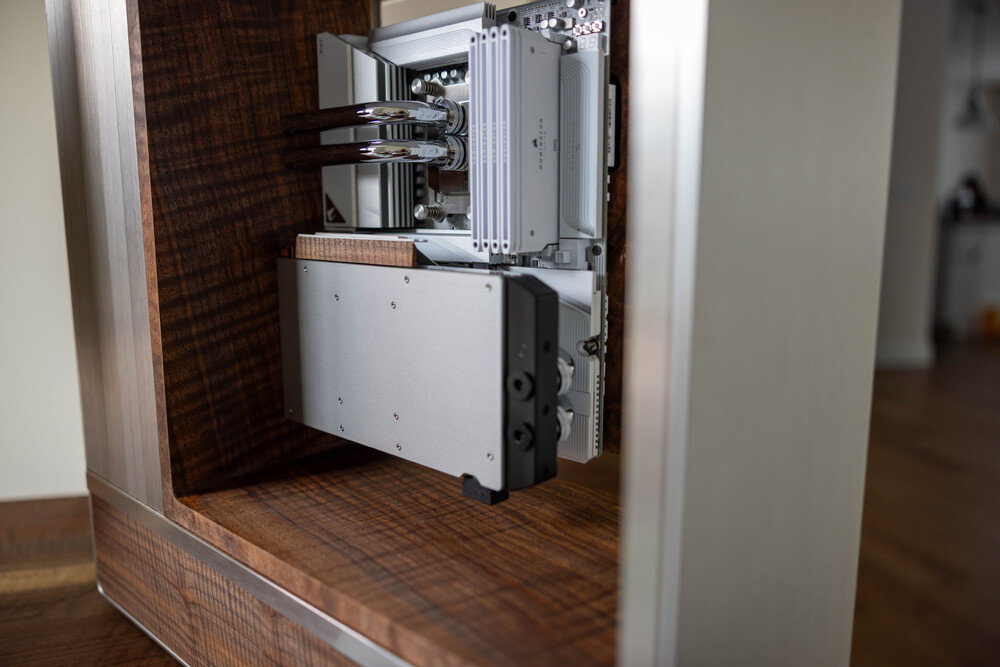
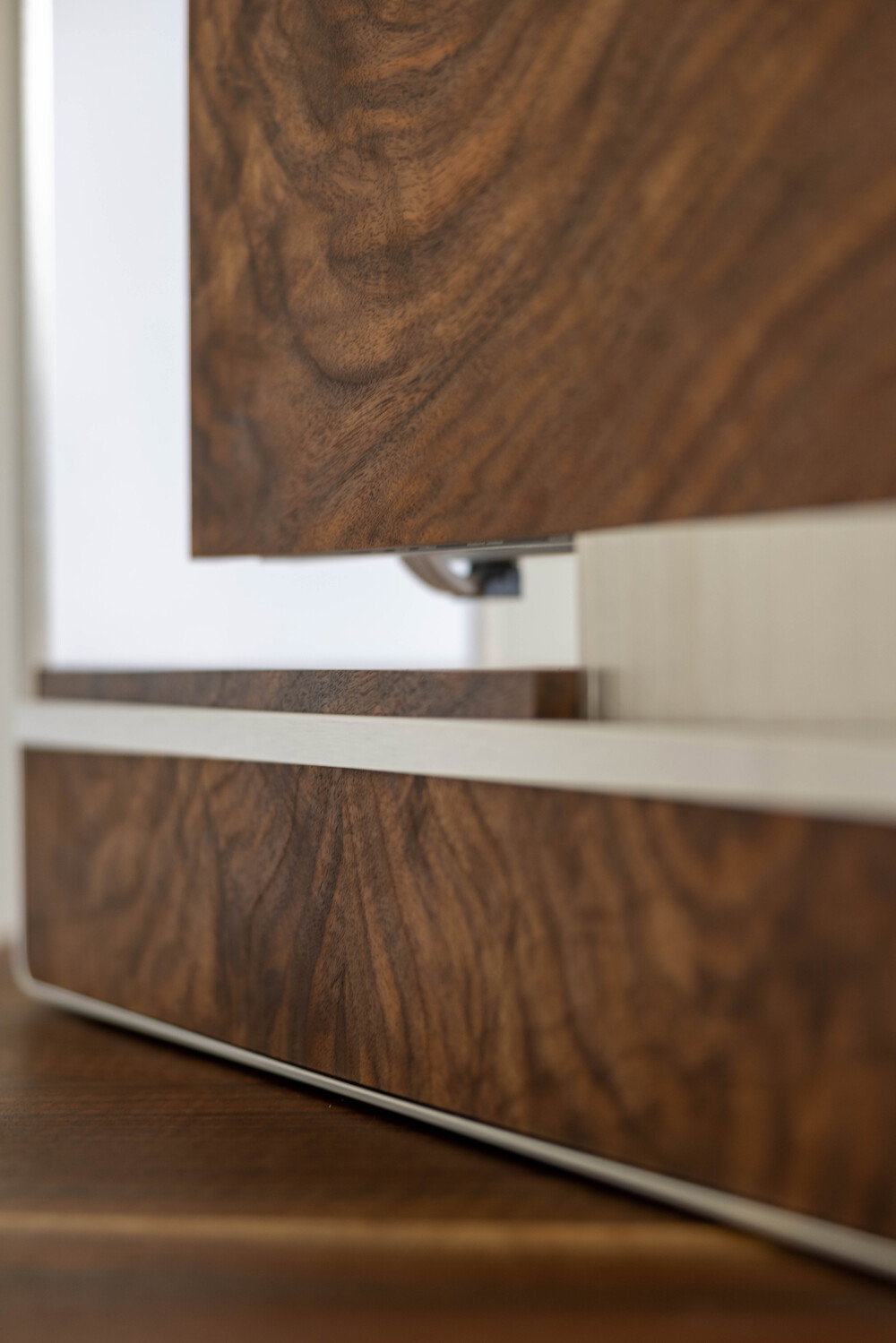
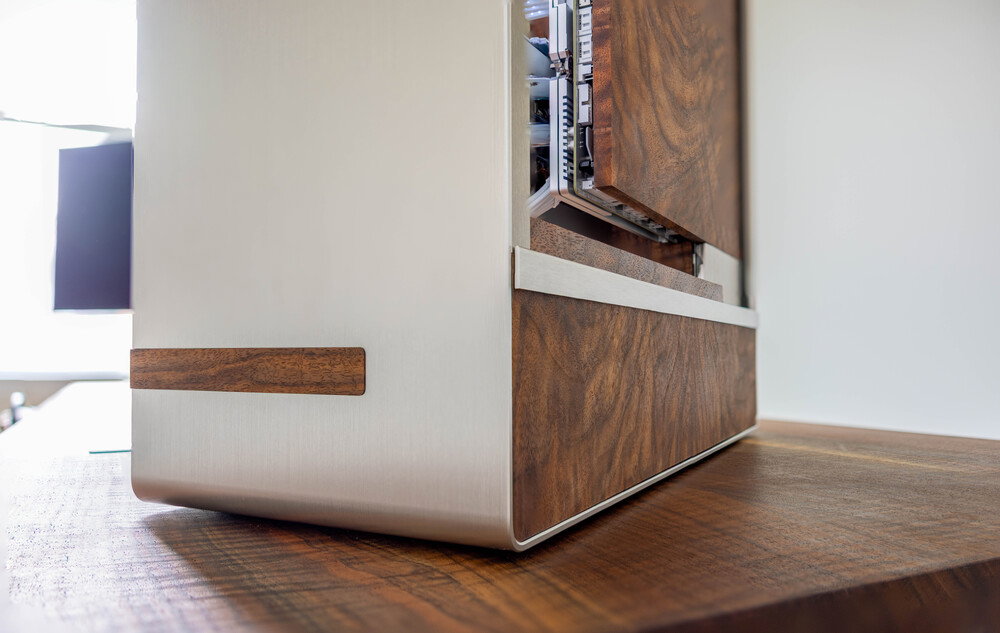
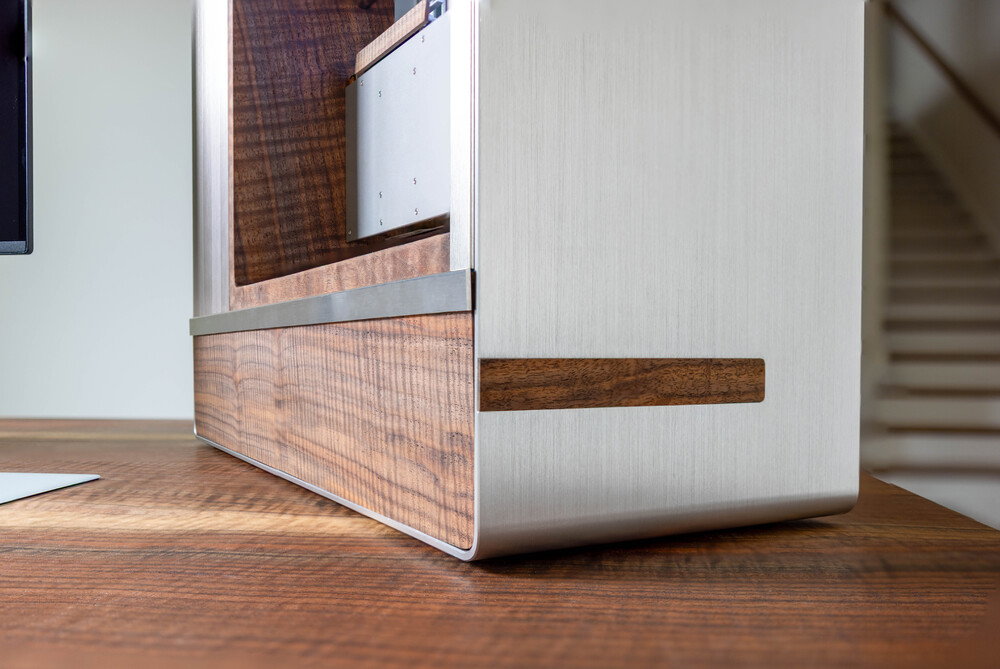
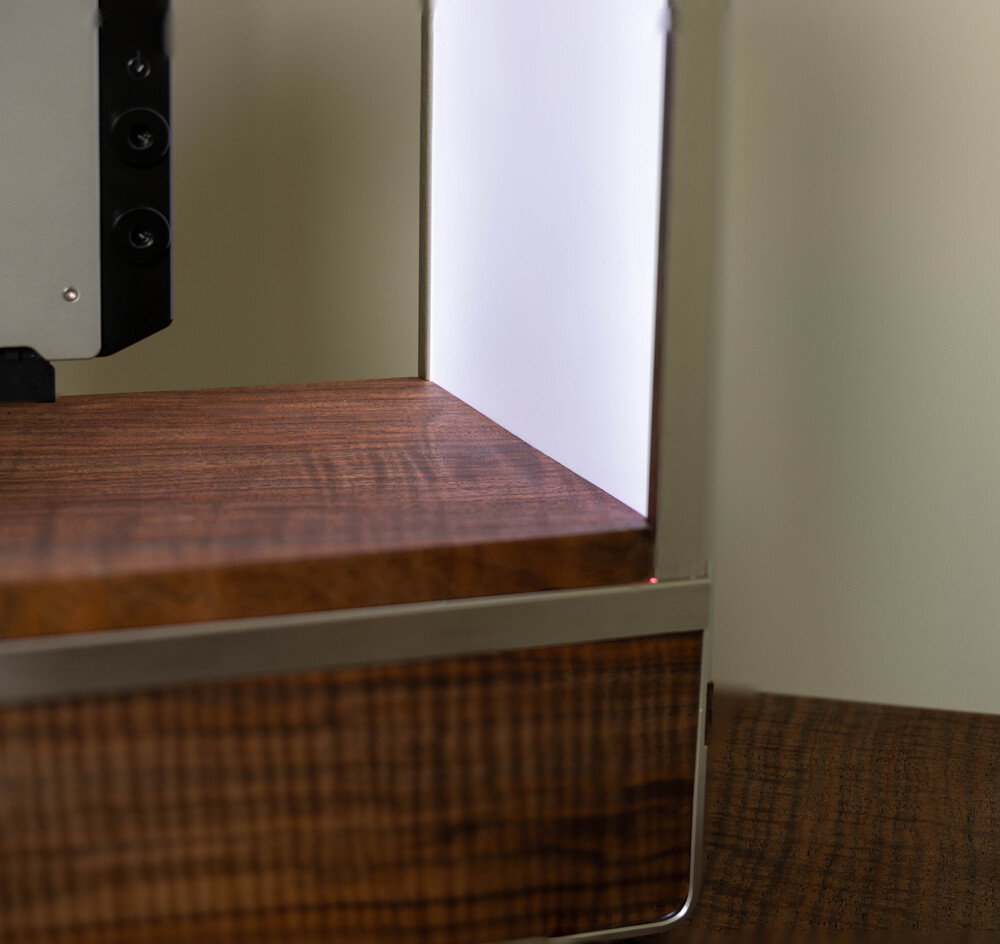
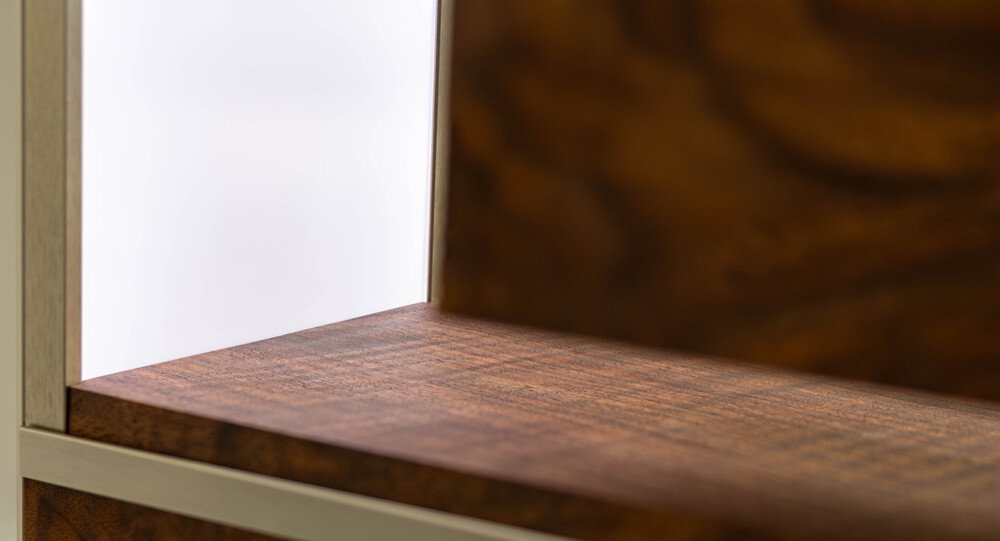
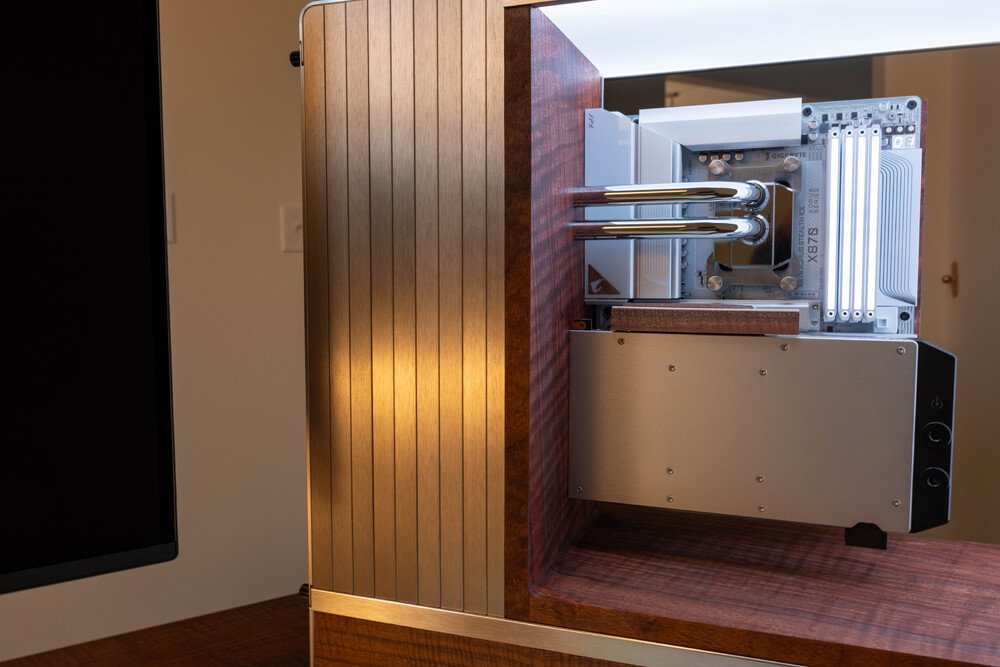
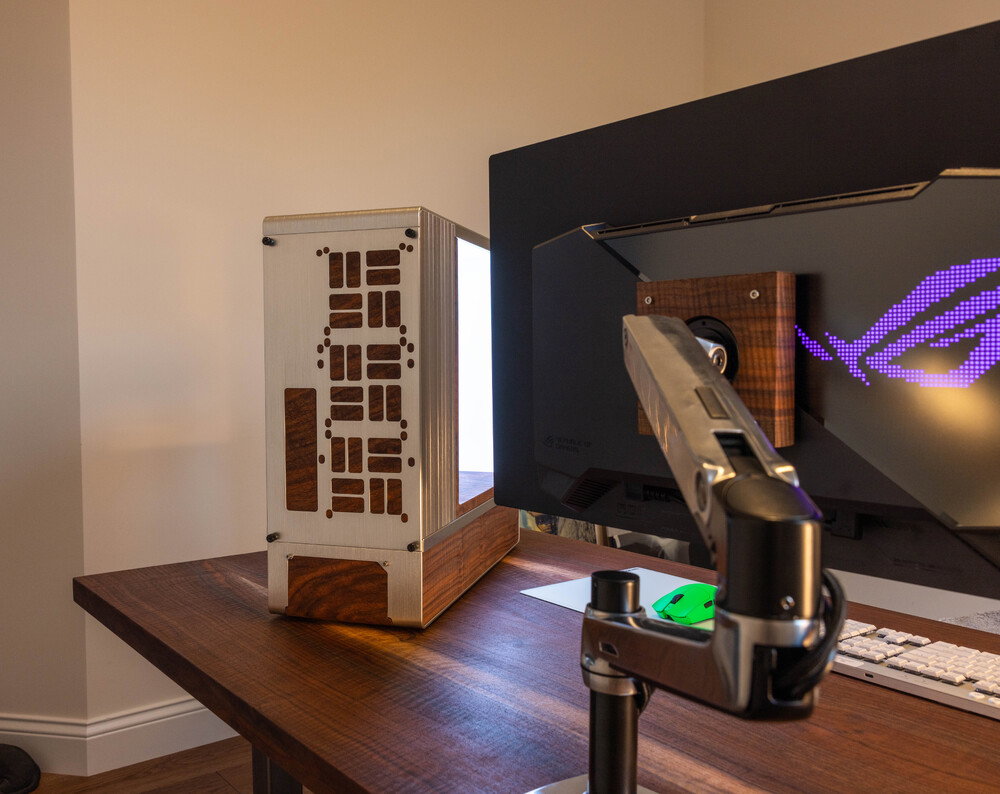
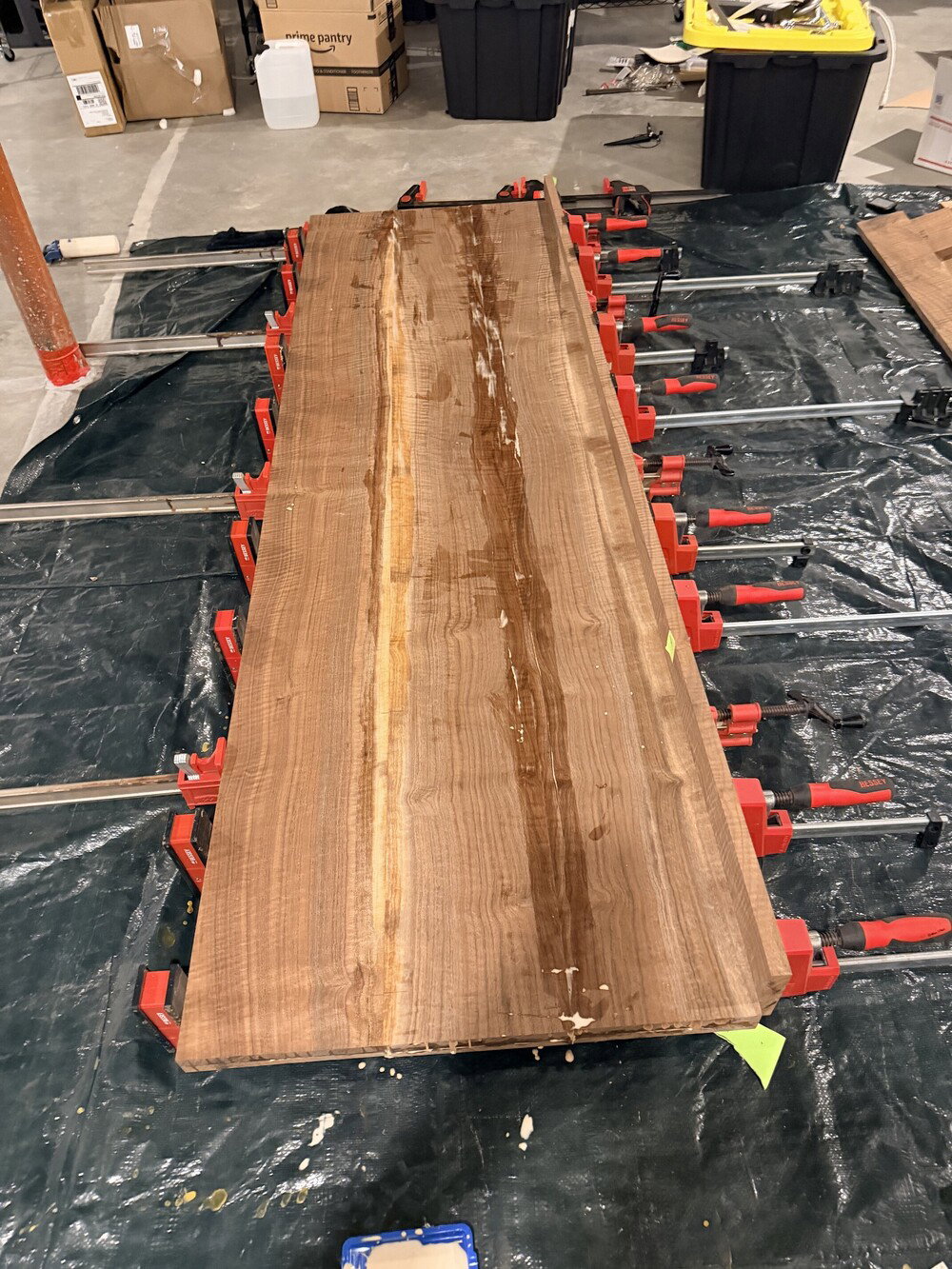
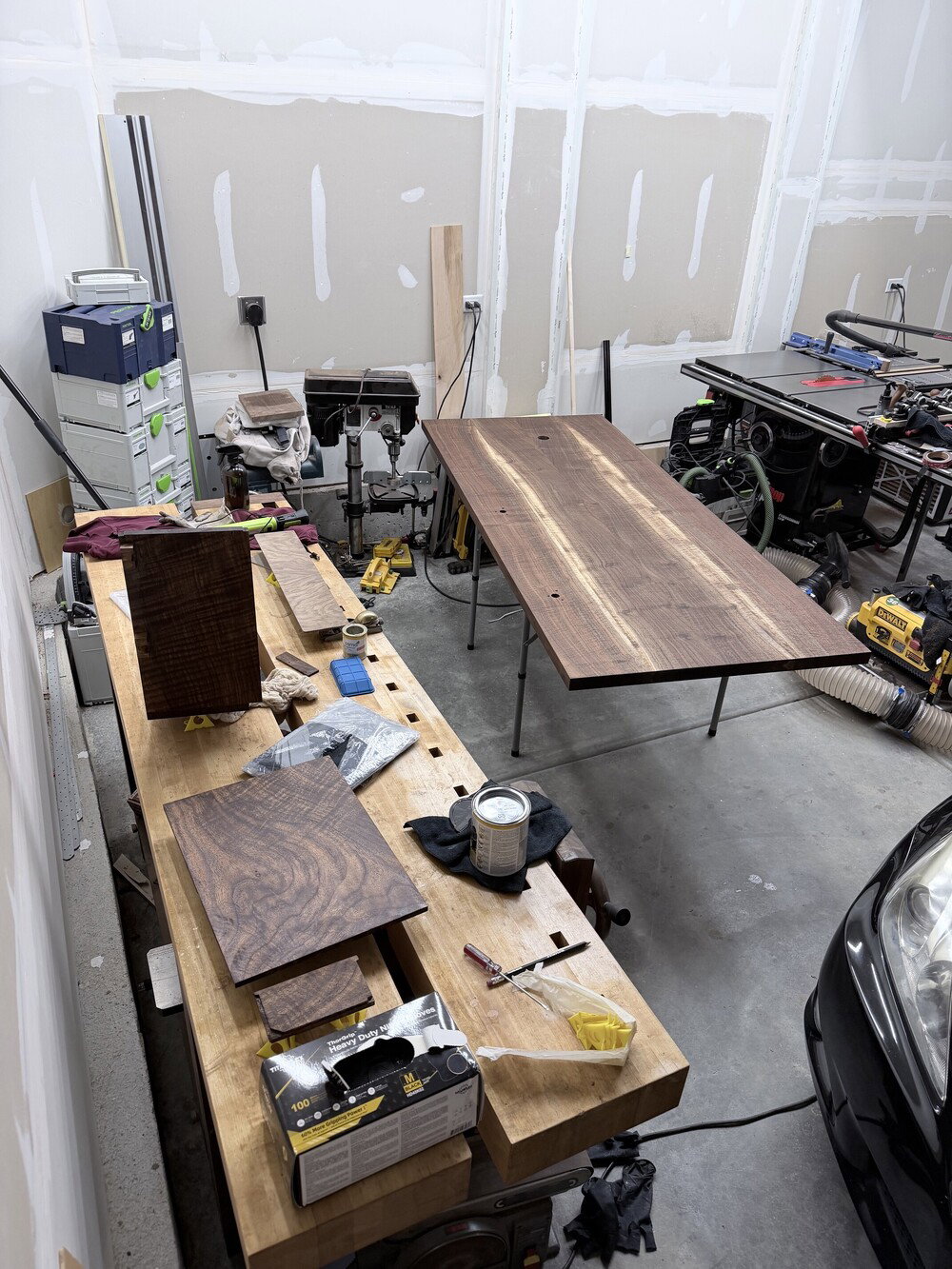
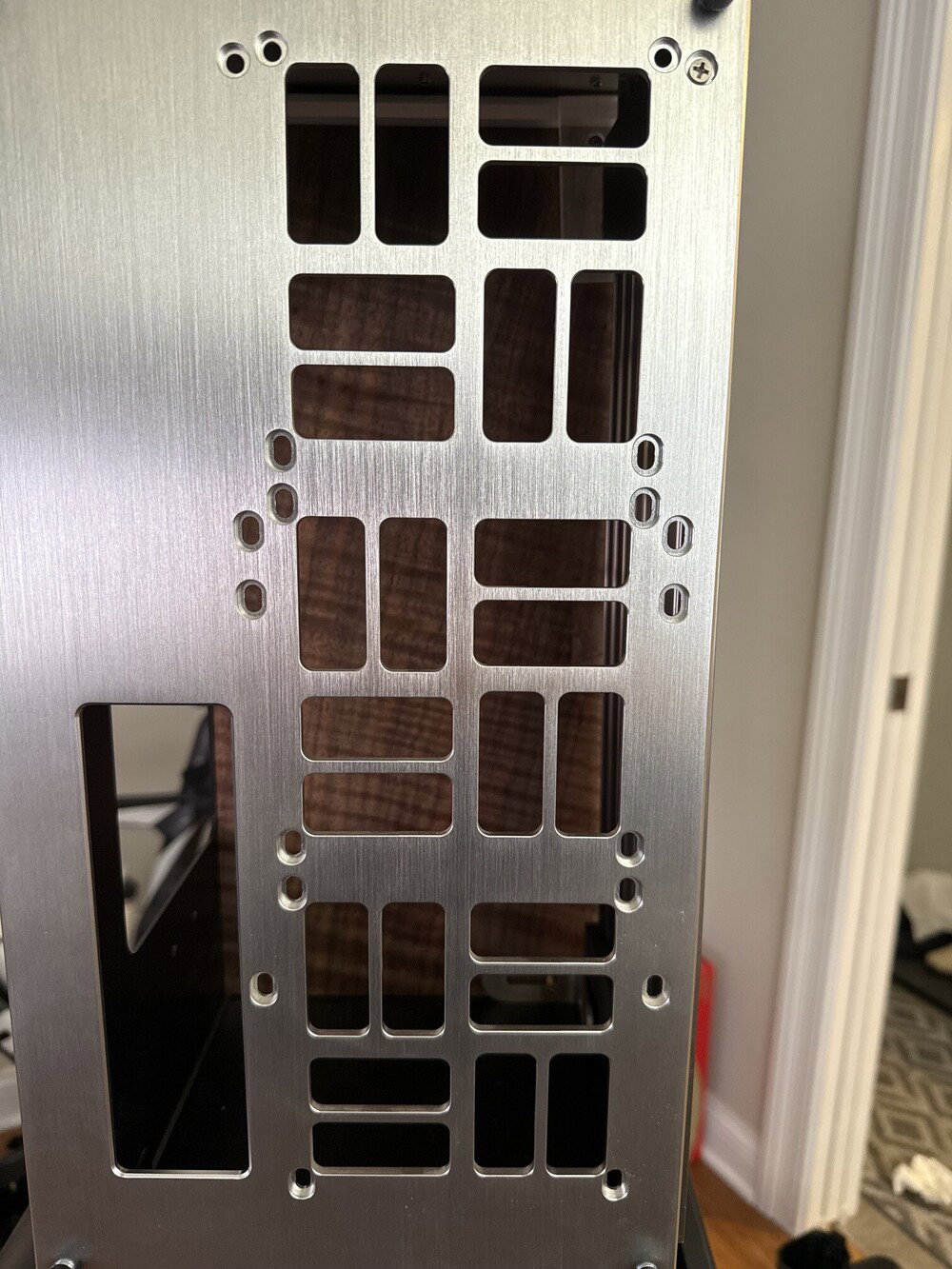
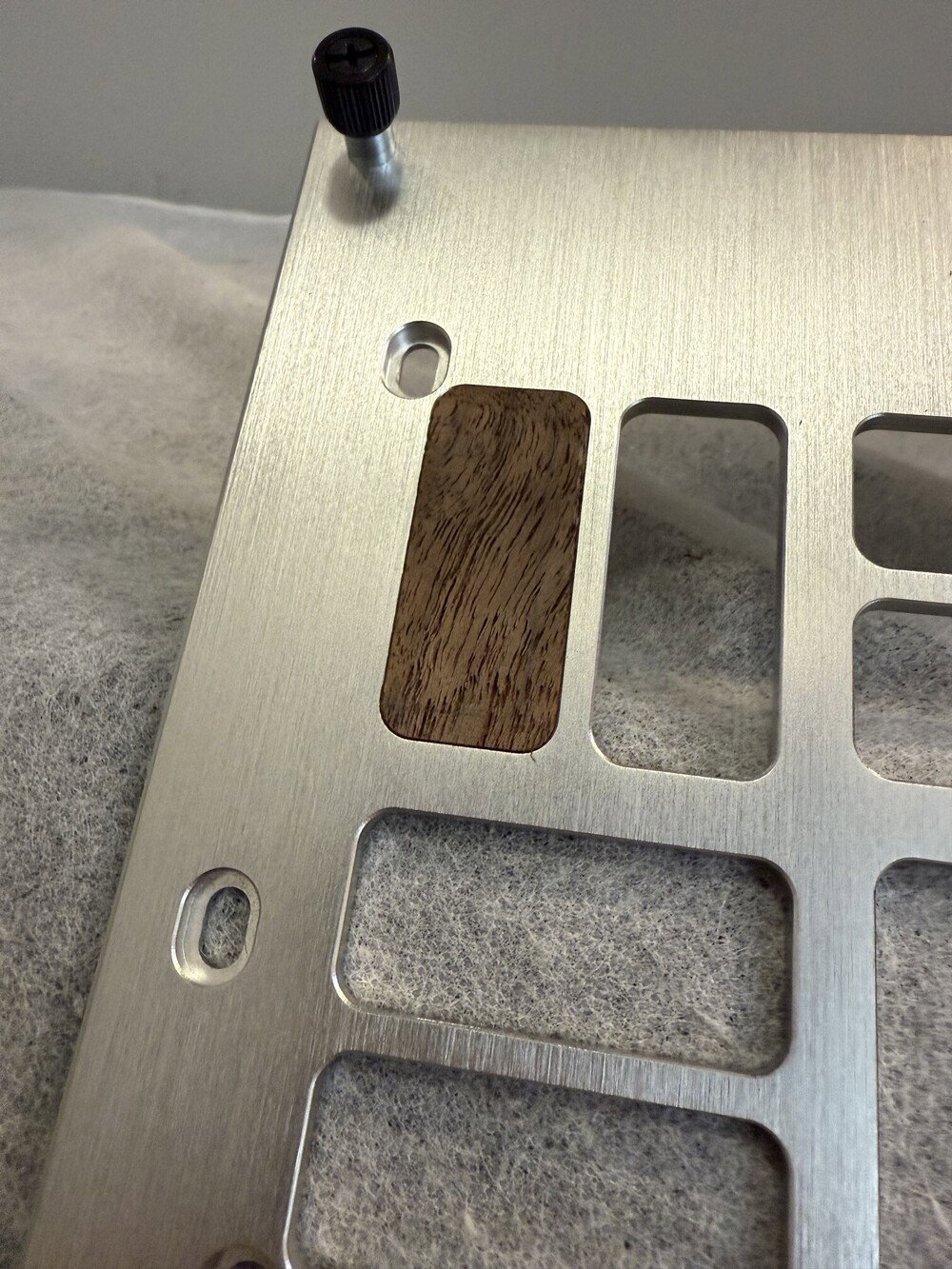
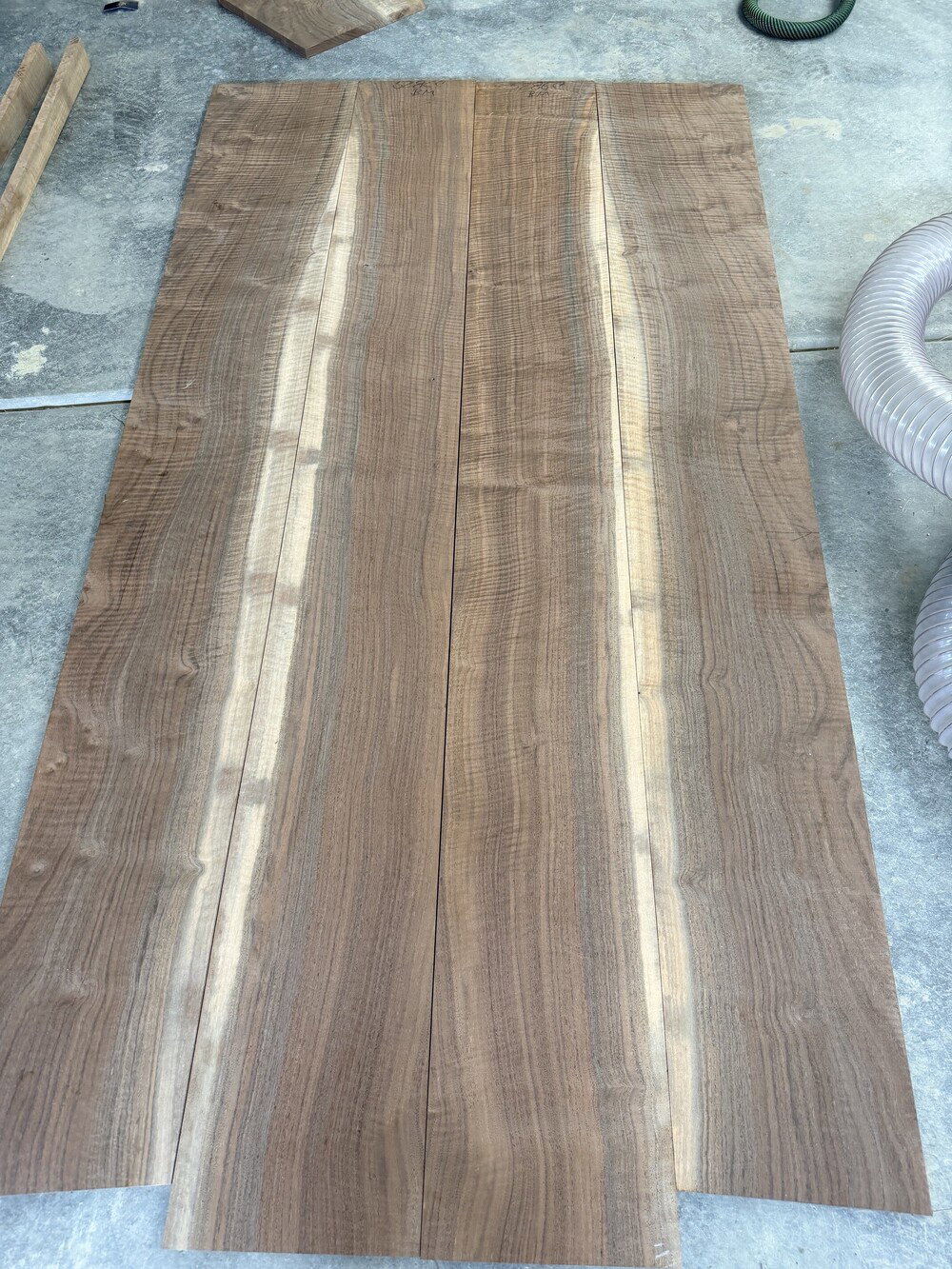
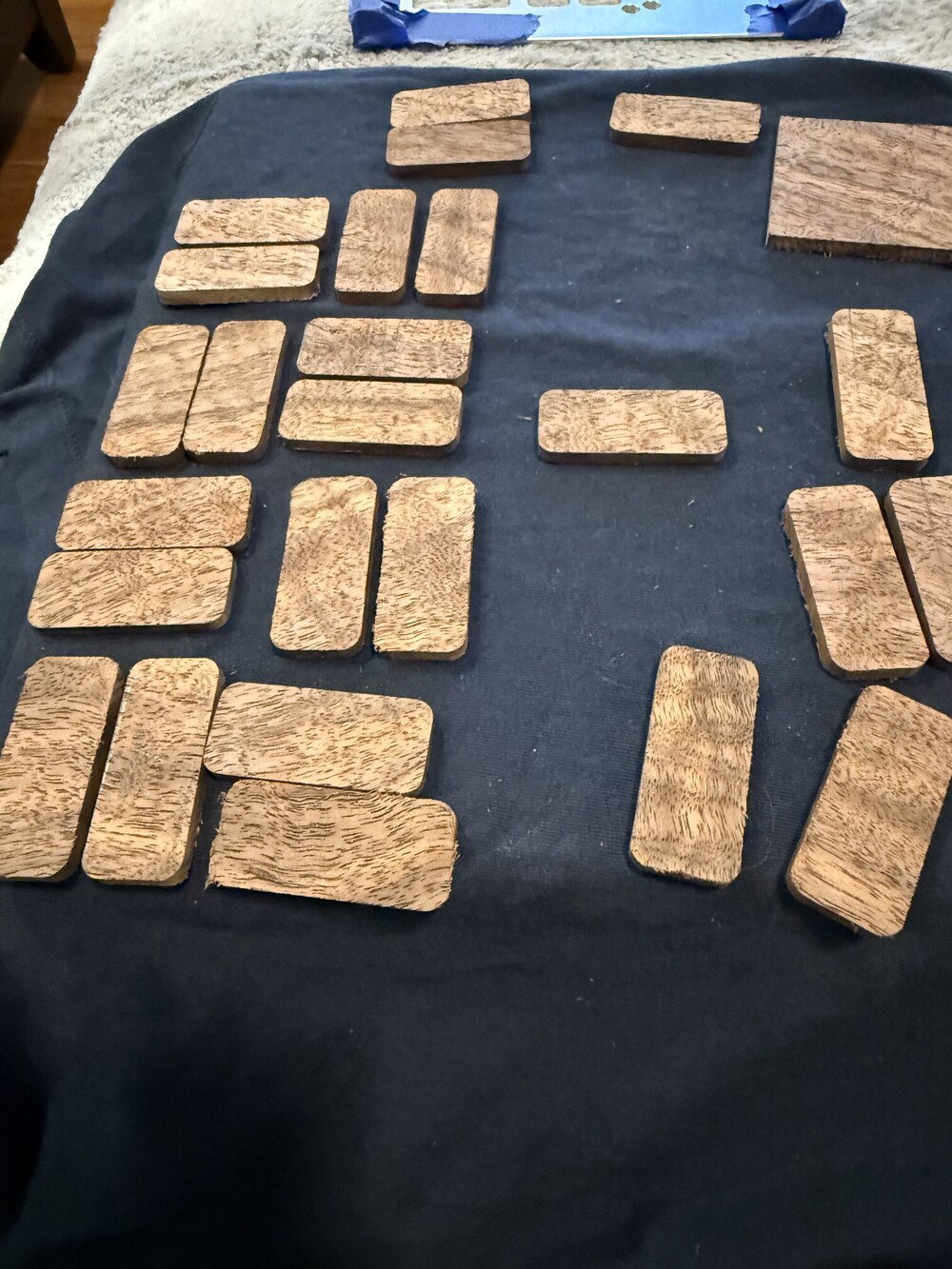
As noted in my last build, I have taken up woodworking and obviously wanted to integrate a bit of it into the build. I definitely tinkered with the idea of an all-wood case, but I often see these and feel like they again go too far into a vibe that doesn’t feel like a PC. So, what if the wood was simply replacing a few parts, not many? What if it moved into the case, living alongside the brushed aluminum instead of replacing it?
The case definitely had less wood in it at the start, but as it evolved, I tried to find that perfect balance.
That’s where the name comes from. Heartwood is the dense core at the center of a tree, the part that’s been growing the longest. That felt right for a build that took seven years to grow, and now the wood is really the core of the build, but hopefully without unbalancing it.
My last build was a showcase for glass tubing, with showcase routing and cable management you could frame. This time I did the opposite. The water cooling and cabling are hidden, and the hardware and the case are the highlight.
This approach goes to one of the main goals: make a case that is finished and final in its glamour shots. Hence, all the cables and tubes had to go. This isn’t just a display piece. It’s my daily machine, fully operational, exactly as you see it.
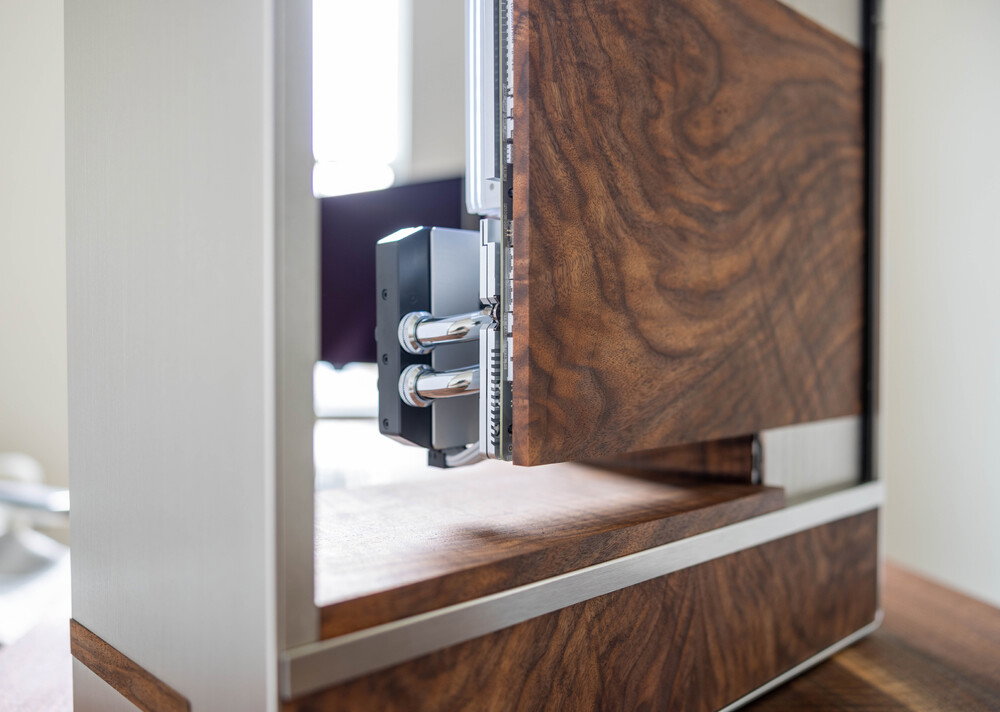
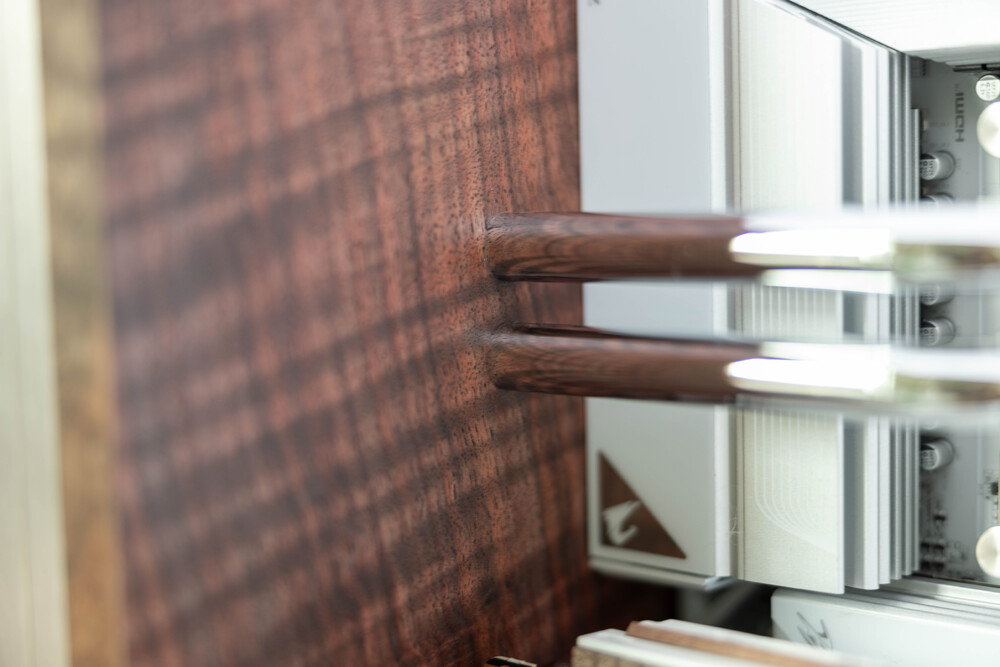
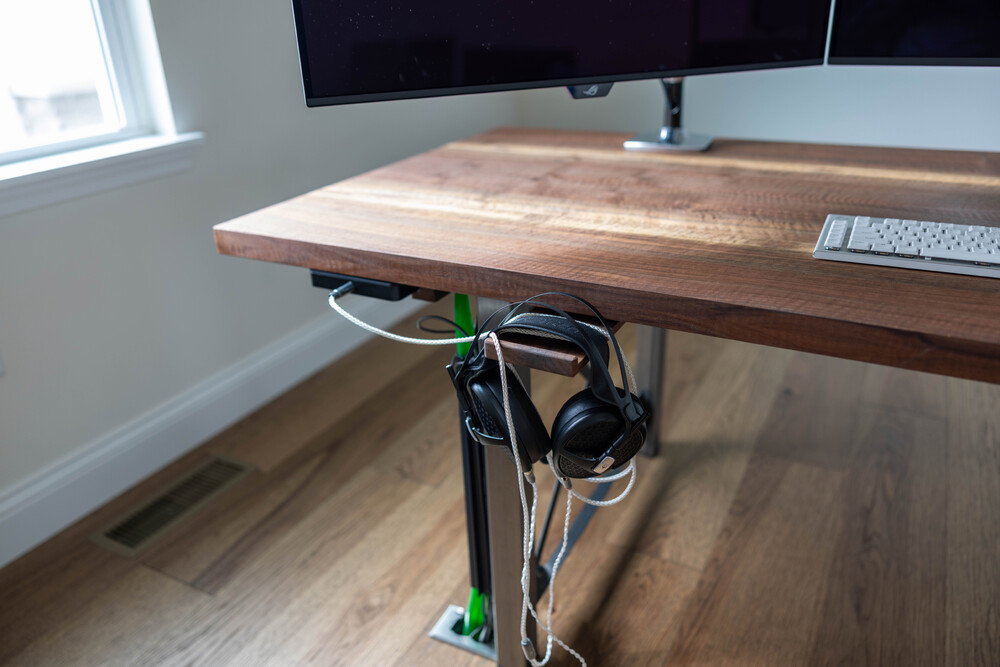
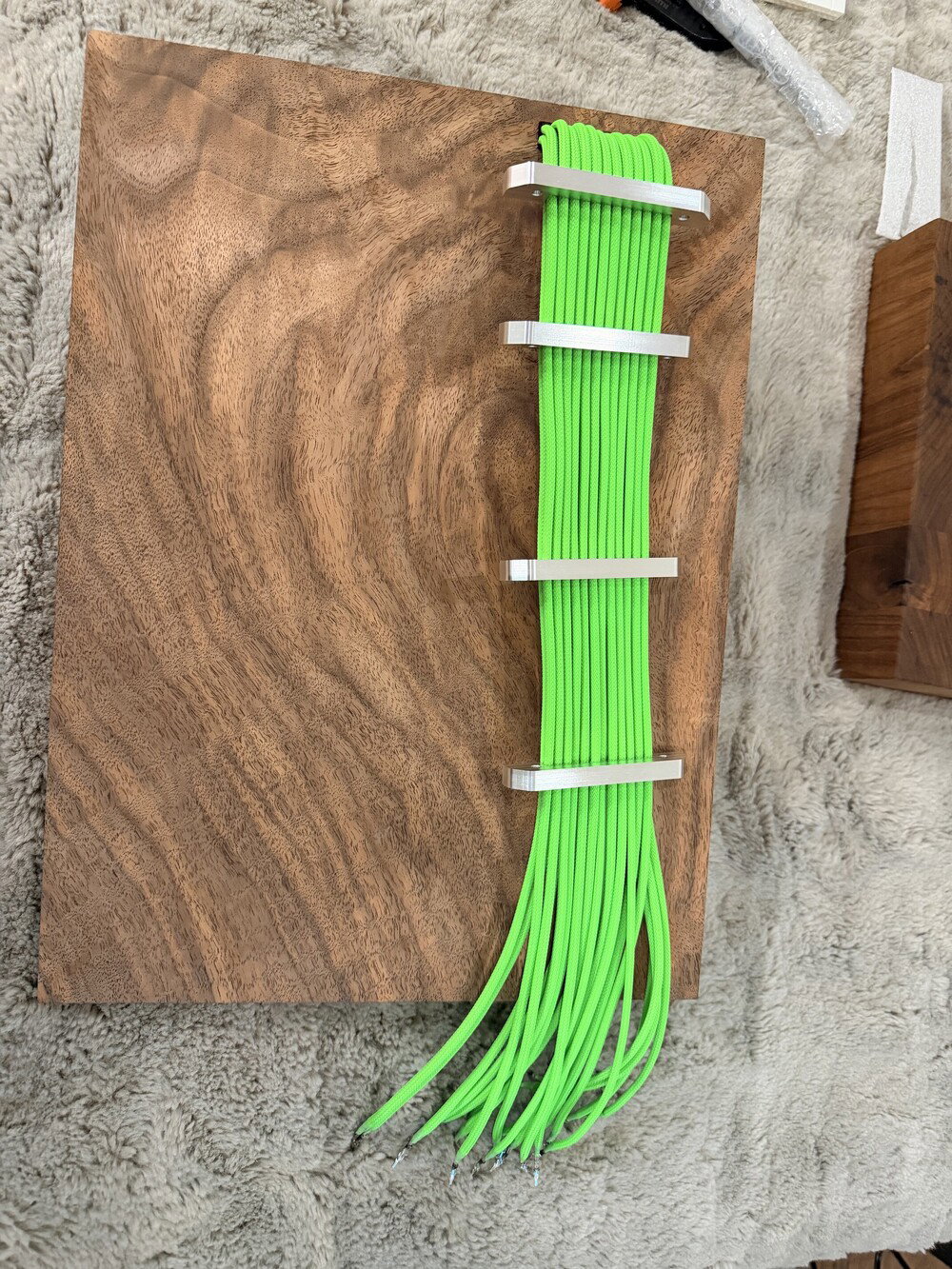
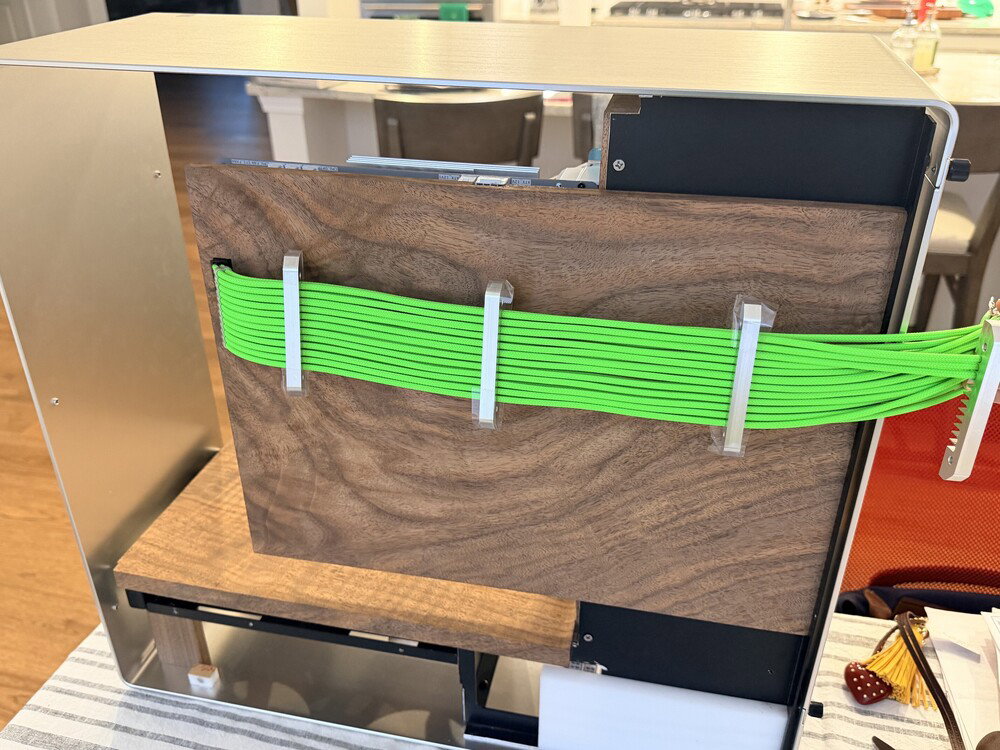
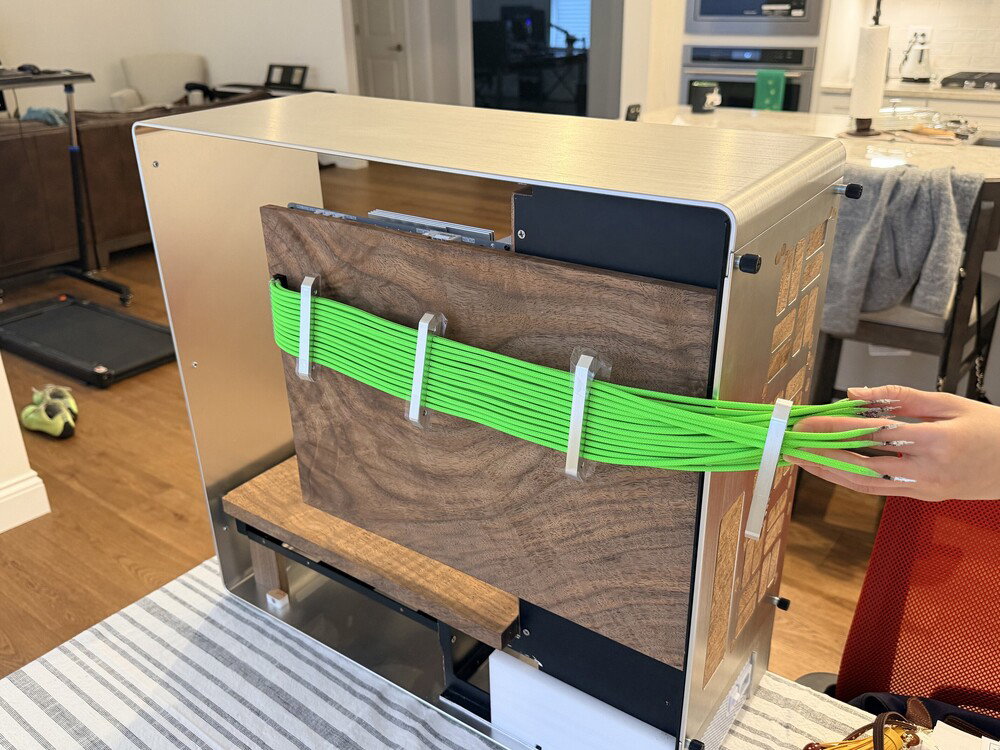
So where are the cables and tubes? Sadly, this isn’t the debut of a wireless PSU from EVGA or tubeless water cooling from Watercool. It’s carpentry.
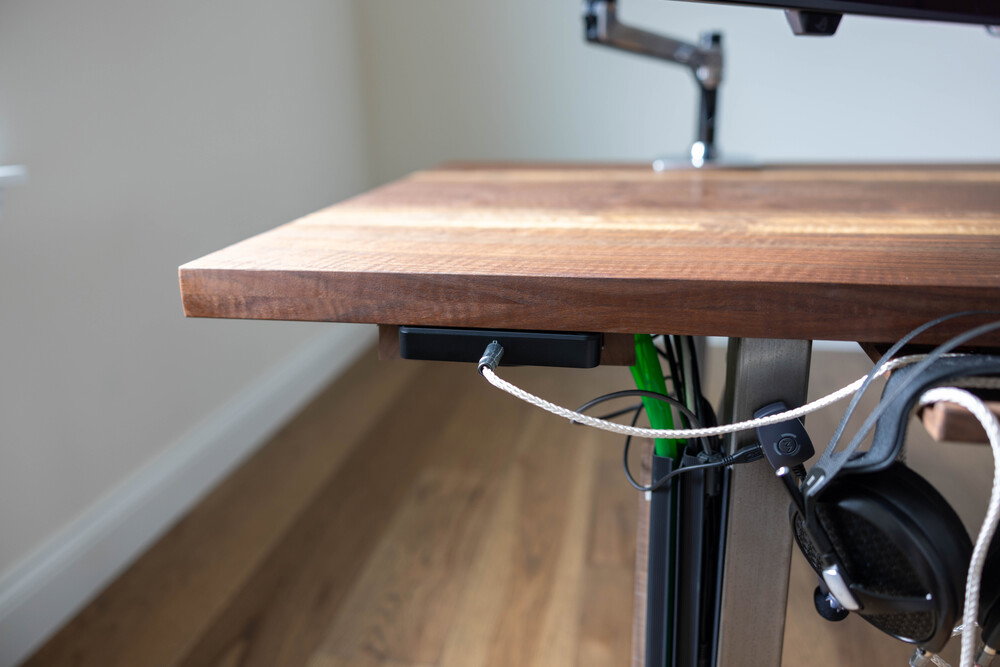
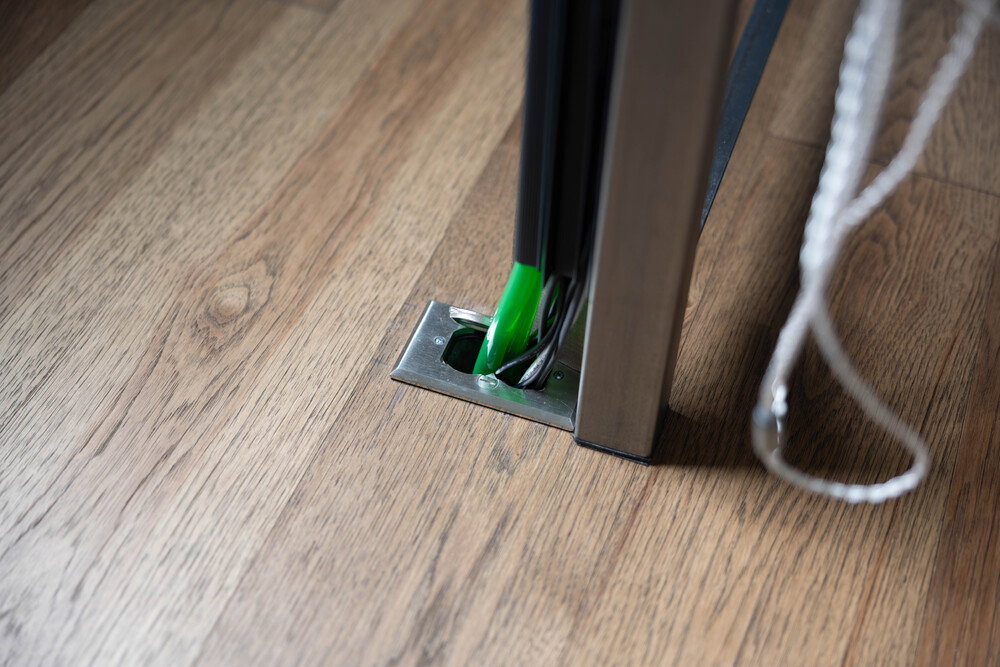
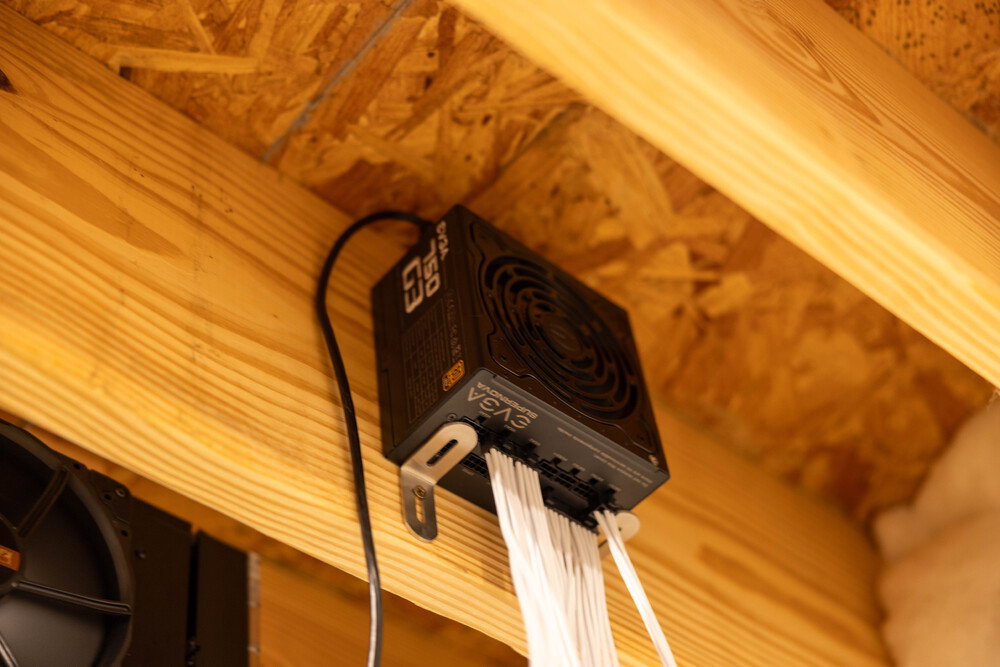
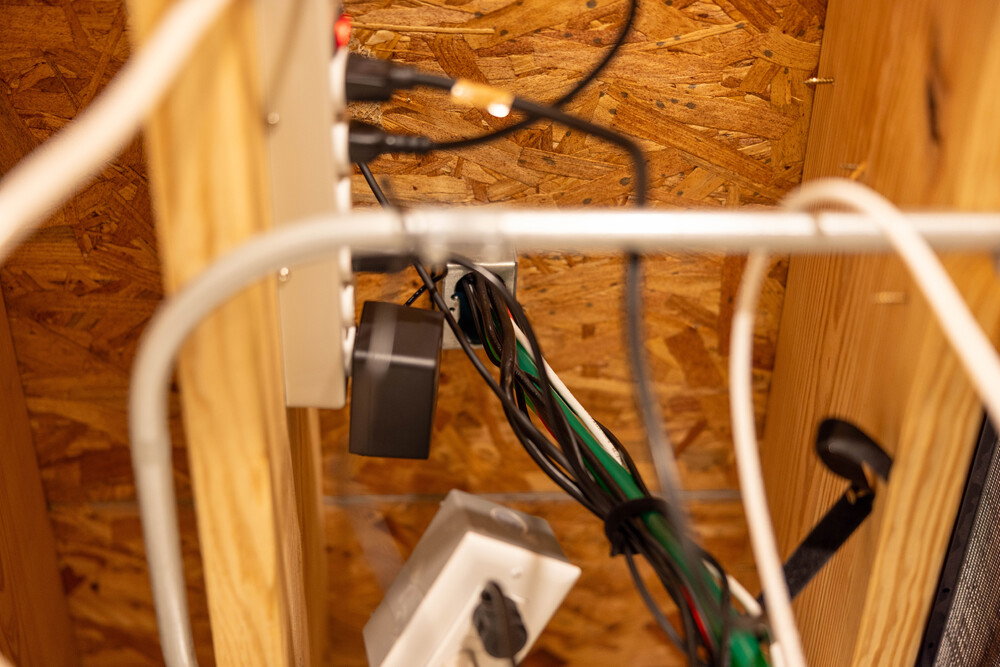
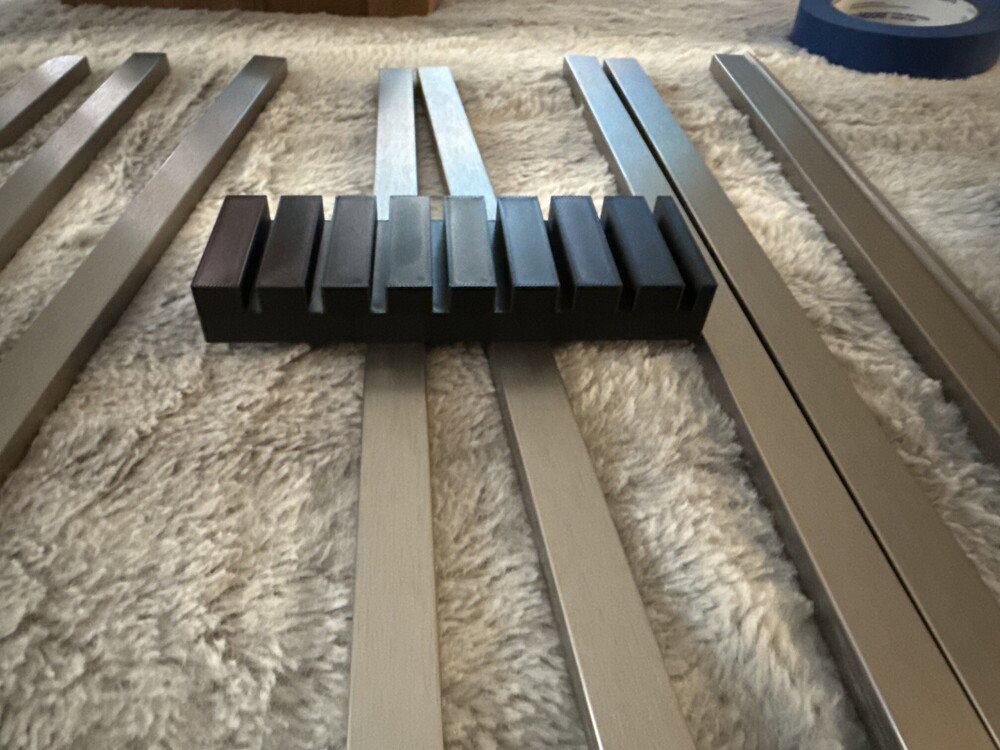
The desk was built around this case. Every cable and every line exits through the bottom of the 909 into the desktop, runs through channels routed into its underside, and disappears into the floor.
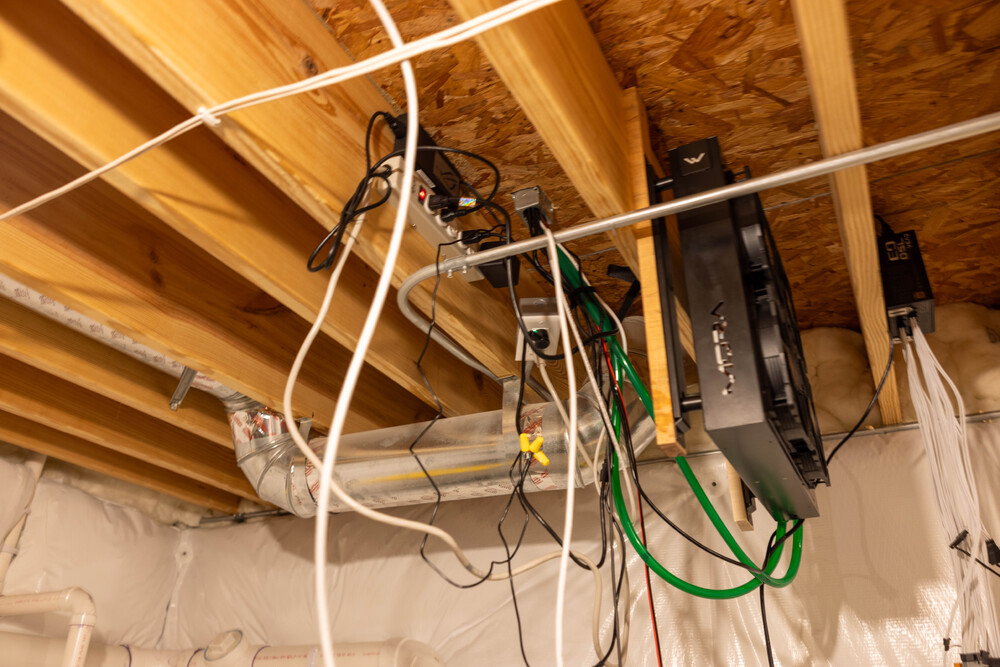
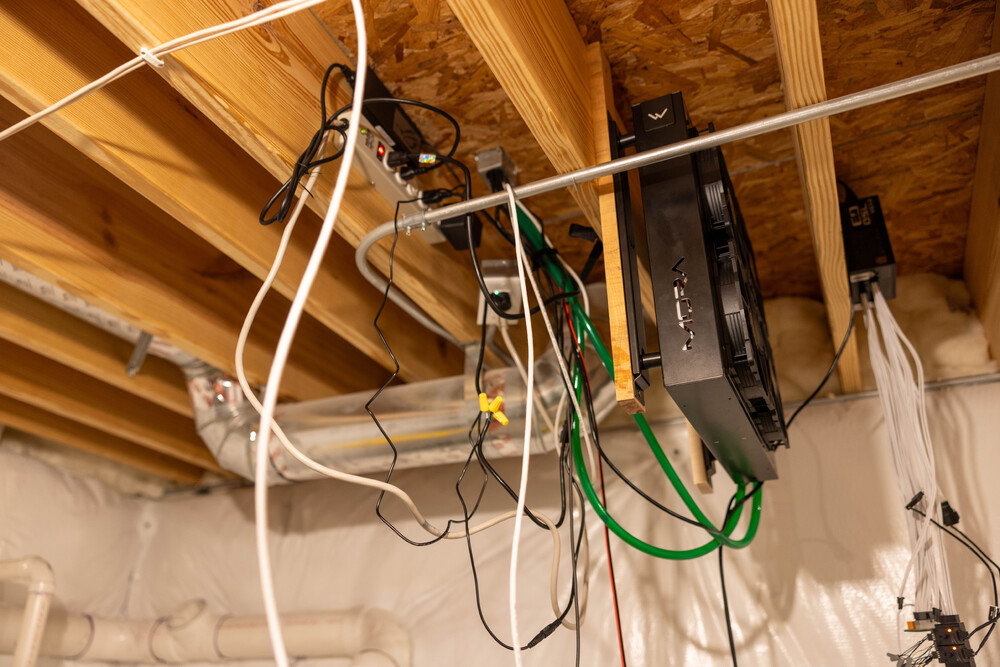
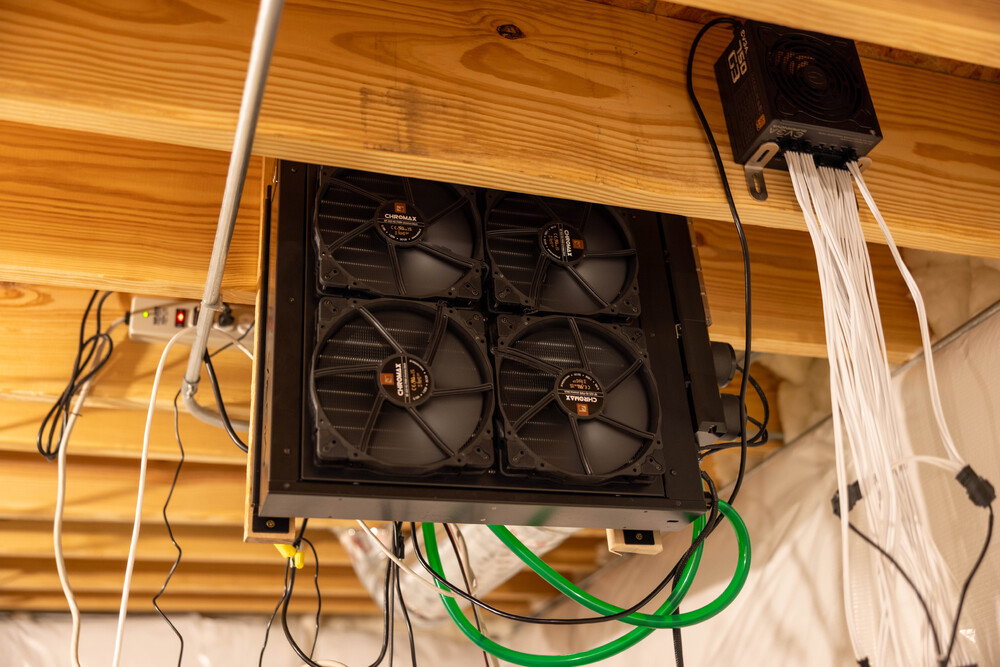
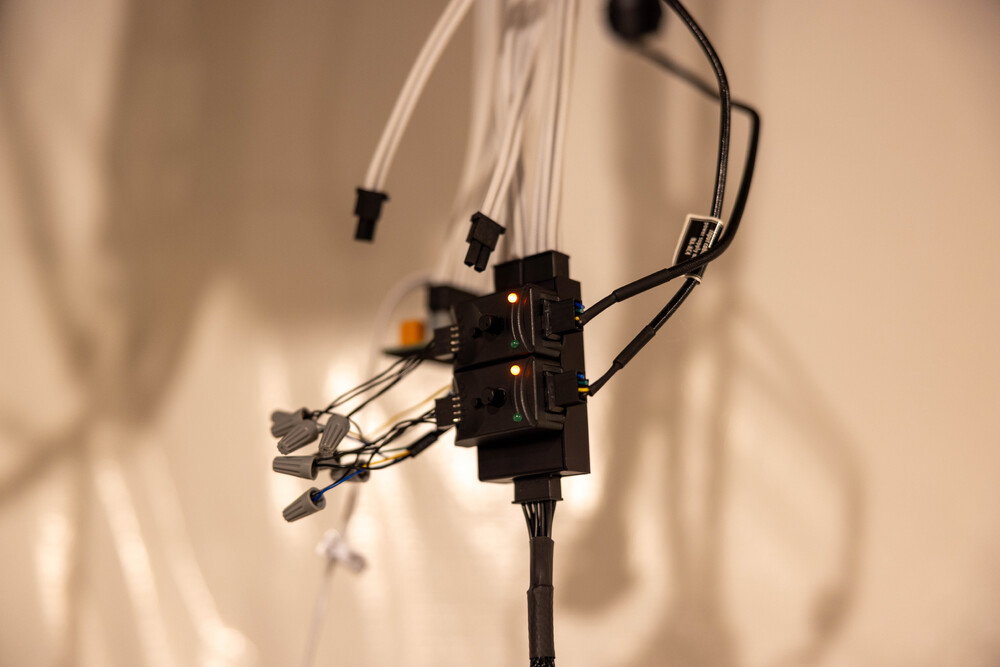
Below the floor, the heat goes to a MO-RA 400 radiator with 4x 200mm Noctua fans in the basement, so the office stays cool and quiet. The MO-RA runs on its own dedicated PSU and controller. Temps have been great, and I can still tune the pumps and fans whenever I want.
Why It Took Seven Years: The goal was always 4K at 144Hz on a single GPU. SLI was dead, so one card had to do it all. The waiting game went like this:
RTX 2080: ray tracing arrived, but raw performance barely moved past the 1080 Ti. WoW Classic COVID Pivoted career RTX 3090 shortage RTX 4090 shortage Got married RTX 5090: last spring, I walked in and found a prebuilt with a 5090 TUF for $2,300. Done. New home
This was supposed to be a twin build. I do have a black version of the case, and I have it stripped for the build. However, with the cost of parts now and the time needed to make the other pieces, that’s shelved for now.
Seven years, four GPU generations, a completely new life, and 400 hours of work later, Heartwood is finished.
Added thoughts on the parts:
Delidded Thermal Grizzly AMD Ryzen 7 9800X3D: The best gaming CPU when I bought it. There are options with more cores, but I didn’t need them for gaming. Liquid metal, direct die, Heatkiller IV Pro block. Direct die and liquid metal are total overkill. Water cooling alone would’ve been fine, but why not?
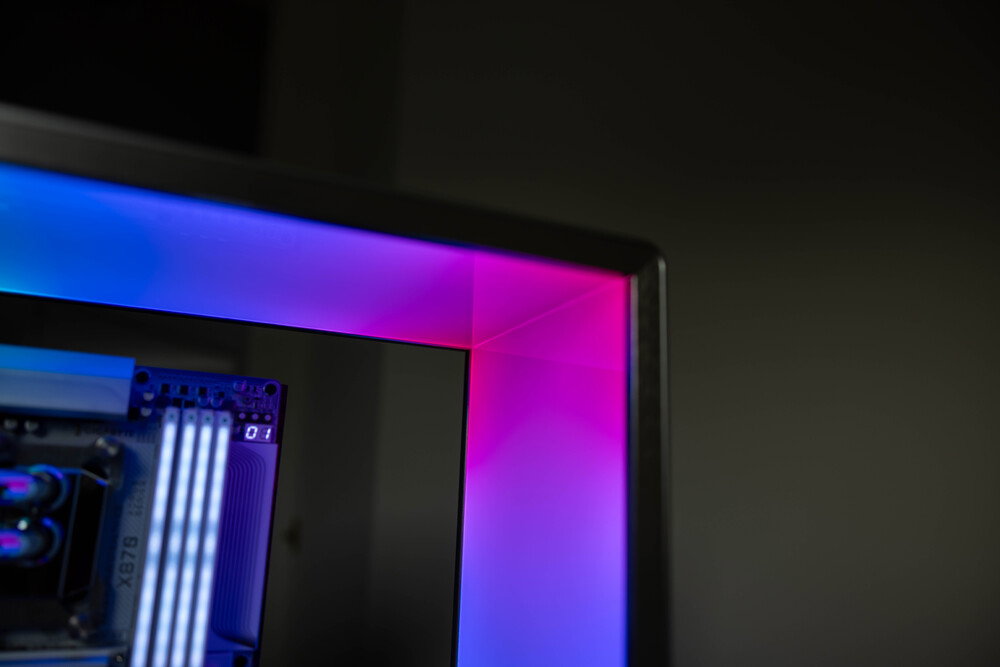
Gigabyte X870 AORUS STEALTH ICE: White to fit the build’s white focus. Super clean look, and the stealth design puts the power connectors on the back.
RAM and storage: Luckily I bought the RAM and SSD before prices spiked. Both are solid parts.
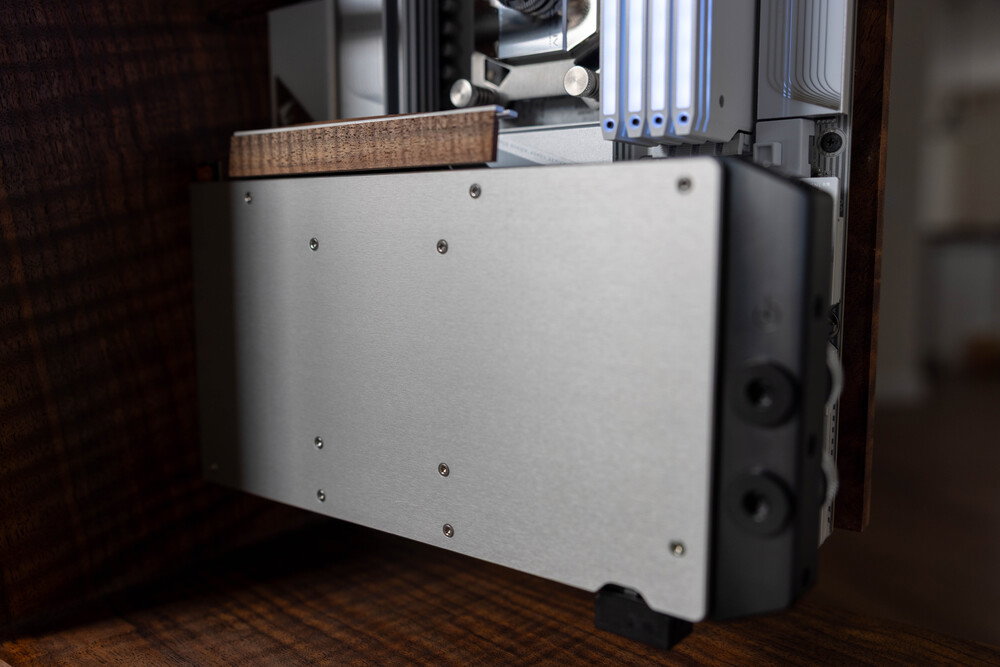
Heatkiller block for the 5090: Perfect finish for the build.
PSU: Picked for its design, which freed up room at the bottom of the case to fit everything.
Radiator: MO-RA 400 with 2 D5s and 4 200mm Noctua fans. Massive overkill, but perfect when it’s out of sight in the basement.
Extra-long runs: Most are about 15 ft from the PC to the basement.
Color(s): Brown Silver White
RGB Lighting? Yes
Theme: Case Mod
Cooling: Custom Liquid Cooling
Size: ATX
Type: General Build
Hardware
CPU
Motherboard
$ 305.99
Memory
$ 1,499.99
Graphics
$ 2,300.00
Case
Monitor
$ 1,243.60
Monitor
$ 1,243.60
Approved by: